
Professional Tree Removal Services in Gilbert, SC
Call us
(803) 866-3855
Hours
Scheduled visits
Booked ahead, not promised at short notice

What the trees in Gilbert are doing
Tree Service in Gilbert, SC
Gilbert sits at 545.6 ft, higher than Lexington, Chapin or Batesburg-Leesville, and holds 563 people inside 2.71 square miles. Only 243 housing units stand in the town and the median one went up in 1995, which means much of this housing was set down among trees that were already mature rather than on ground cleared for generations before it. The result is a house with an old canopy leaning over it and, at this height, a wind that reaches the upper crown before it reaches the walls.
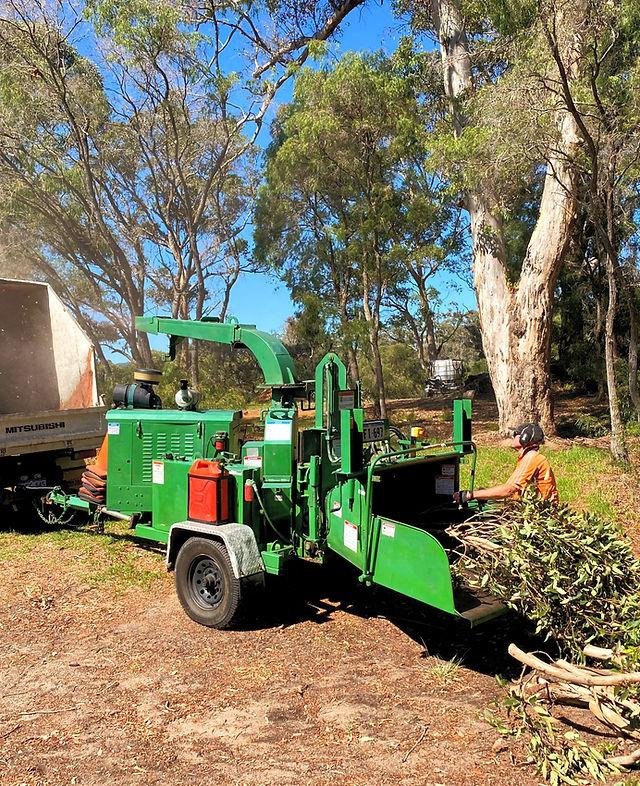
The homes in Gilbert and the trees around them
545.6 ft, higher than the ground around it
Height changes what a tree has to survive. At 545.6 ft, a Gilbert address is above Lexington, Chapin and Batesburg-Leesville, and the difference is not dramatic until a front comes through and the gust arrives a little stronger, a little earlier, with fewer houses and hedges in the way to break it up. Wind loads the upper crown first, which is why a tree can lose its top and keep its trunk. That is also why the highest limbs are the ones worth reading on any tree near a house: a fork that has opened at ten metres, or a codominant stem with bark caught in the seam, tells you more about the next storm than the base does. A tree on the highest corner of a lot is the first to be tested and often the last to be noticed.
243 housing units and 563 people
Two hundred and forty-three homes is a small enough number that every property carries a visible share of the town’s tree cover, and a removal here changes a skyline rather than a single yard. It also means the work is close: a neighbouring house is often within the reach of a limb, and the shortest route for the wood may cross a boundary. Planning is done at that scale, with the neighbour considered as part of the site rather than an afterthought. Fewer homes also means fewer people who have seen a tree come down badly, so the explanation of what will happen, and in what order, is worth more here than a written scope nobody reads. A removal is also arranged so that the household next door can still get a car out during the day.
A 1995 median built into standing timber
A median build year of 1995 describes a specific kind of lot: a house pushed into a stand of timber, with a share of the trees kept around it for shade. That is a good outcome for a garden and a complicated one for a root system. Machines working on a new build compact the ground inside the drip line, grade changes bury roots that were near the surface, and a drive put through the middle severs the ones that held the tree against the prevailing wind. A tree can carry that damage for thirty years and then show it in one wet season, which is why a lean on a 1990s lot is read with the construction history in mind. The tree that leans toward the house is frequently leaning toward the ground that was dug, not away from it.
The 18.9% of homes that predate 1960
Not everything here is new. Close to a fifth of the housing predates 1960, and those places usually mark the older road frontage, with trees that grew in the open when the surrounding land was field or pasture. Open-grown hardwoods spread wide and low, and a low limb on a farmstead tree is a limb at the height of a tractor, a delivery van or a child on a bicycle. Those are the trees that most often carry a hollow, because a long life in the open comes with broken limbs and slow-sealed wounds. Those are read at the trunk before anything is decided above. A low limb on a farmstead tree is also the one most often struck by a mower deck or a trailer, and each of those blows is somewhere for decay to start. At the trunk, those scars matter more than the crown.
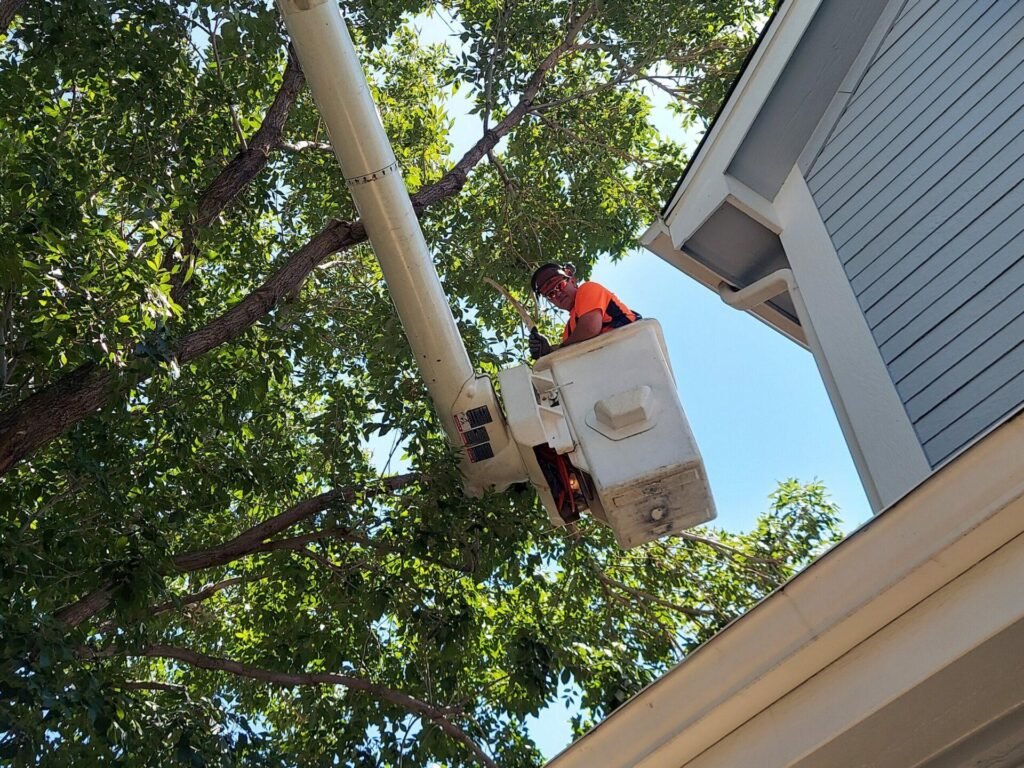
Talk to us about a tree in Gilbert
Tell us the address, what the tree is doing and what has to stay open while the work happens. We will set a time to walk the property and put the scope in writing before anything is scheduled.
Tree work in Gilbert
Tree services in Gilbert
Most Gilbert work begins with tree removal, for a tree kept during construction that has since outgrown the space it was given. The plan accounts for the house, the fence and the remaining trees, because taking one out of a group changes what the wind does to the others: a sheltered trunk that suddenly stands alone carries loads it has never met.
Tree pruning is often the better answer for a tree worth keeping, and on these lots it usually means reducing a long limb over a drive or a building rather than thinning the crown for appearance. Stump grinding clears the ground afterwards so a mower or a bed can take over, and debris removal covers the brush and cordwood that a removal produces, which is a volume no kerb collection in a town this size will take.
Land clearing applies to the ground being opened between built lots, where the boundary of what goes is set by a fence, a septic field or a planned building rather than by the trees. Emergency tree service is for the trunk already down and blocking the way out, and commercial tree services covers the small operations on the main road.
Nothing here is settled by the calendar. A tree carrying a full crown in June can still be the one that goes in September, and a tree that looks thin can hold for another decade. What changes the answer is the union where two limbs meet, the flare at the base and the direction the weight has grown, because those three things decide what a gust will find. Spending an hour on them before a storm is a shorter job than spending a day clearing up after one.
Lexington is the nearest of the larger towns, Batesburg-Leesville lies to the west, and Chapin is a short run north.
How a visit runs
- Walk the property and note what is at risk
- Check the base, the crown and the access
- Confirm what the city or county requires
- Put the scope in writing before the work
- Clear the debris and rake at the end
What we will not do
- We will not promise a response time we cannot keep
- We will not claim a credential we cannot show
- We will not give a figure for a tree nobody has seen
- We will not stack debris at the curb and call it cleared
- We will not cut a tree that can be pruned and kept
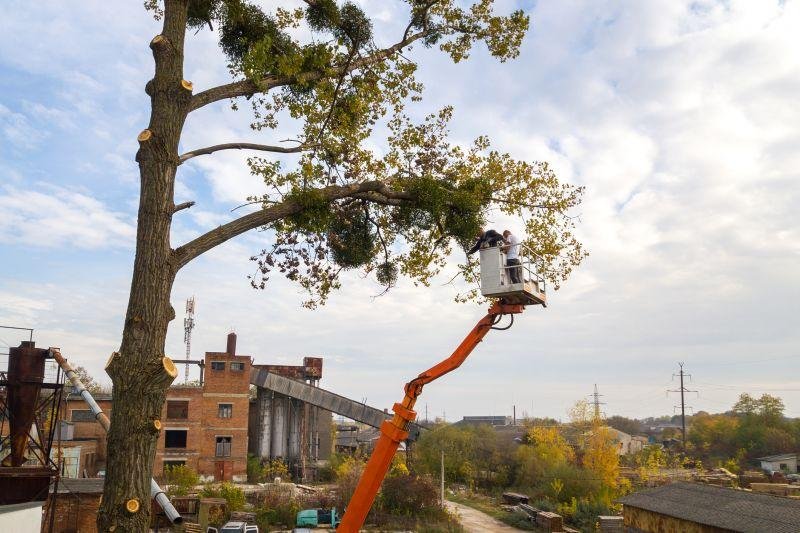
Why property owners in Gilbert work with us
Small towns get the same job as cities and notice it more, so we plan for the audience as much as the tree. The route in is checked, the drop zone is agreed, and the sequence is explained before the first cut, in language that does not assume anyone has watched a removal before. Fallen Tree Removal Columbia works from 1205 Mason Rd in Columbia and keeps to daily. Nothing is promised about a tree that has not been walked around. What we do offer is a straight account of what the trunk will take and what the yard will look like when the last section is on the ground, including the parts of it that will not grow back. Where the tree stands near a boundary, the conversation includes the neighbour, because on a lot this size their fence and their drive are part of the site whether or not anyone says so.
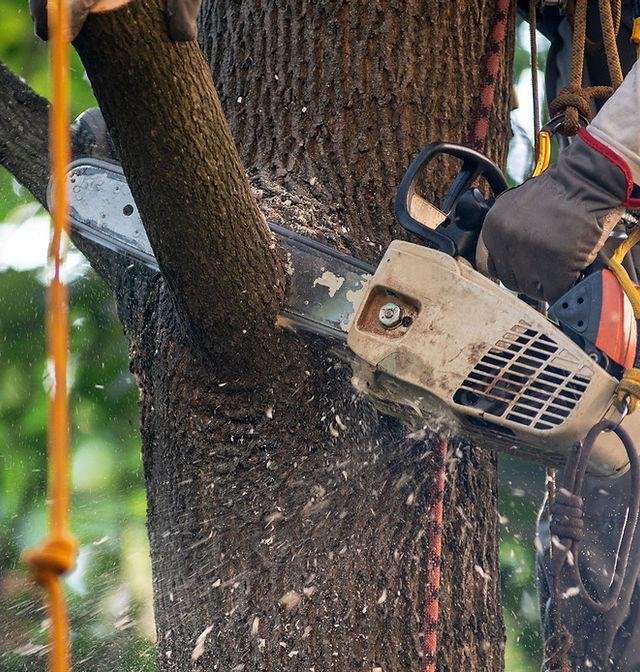
Why it matters now in Gilbert
The trees that cause trouble here are usually the ones that were kept, not the ones that were cleared. When the ground around a 1990s house was opened up, the retained trees lost the neighbours that had sheltered them, had roots cut for a drive, and had soil piled over the rest. A tree in that position spends thirty years adjusting, and the adjustment often shows as a lean away from where the root loss happened. Add thirty-one years of growth since a 1995 build and the geometry has changed twice: the tree is bigger, and the space it was left is smaller. Hurricane Helene, in September 2024, put Lexington County’s gusts at 70 to 80 mph, with trees and lines down, roads closed, outages, flooding, a few structures struck, 3 homes destroyed and 41 damaged. On high ground at 545.6 ft, the wind that produced those numbers had little to slow it before it reached the crowns. The useful question is which retained tree has been leaning since the ground was opened up, because that lean is both a record of the damage and a forecast for the next storm. Nobody can promise a tree will hold, and nobody should try.
Tree work around Gilbert
Frequently
Asked
Questions
Why are the trees around the newer houses here more of a concern than the old ones?
Because of how they were left. A tree retained during a 1990s build lost roots to the drive, the trench and the grading, and it has been growing into a smaller space ever since. Damage of that kind does not show up as a wound. It shows as a lean, a thinning crown on one side or a base that moves when the ground is wet. The newer the lot, the more likely the tree beside the house was damaged by the house.
How does being at 545.6 ft change what happens in a storm?
Higher ground meets the wind sooner and with less in the way. It is not a dramatic difference from Lexington or Chapin, but it is enough that the upper crown takes the first load, which is why the top of a tree can fail while the trunk stays standing. On a lot with open ground to the west or north, that load has a clear run at the tree. The higher limbs are where to look first.
What did Hurricane Helene do in Lexington County?
Lexington County’s entry for Hurricane Helene, in September 2024, puts gusts at 70 to 80 mph and records 41 homes damaged with 3 destroyed, along with flooding, outages, closed roads, and trees and lines brought down in many places. It was a county-wide event rather than a count for this town. For a place at this height with open ground around it, that is the shape of storm worth planning for.
There are only 243 homes here. Does that make a removal simpler?
In one way. Access is usually easier than on a dense block, and there is less chance of a queue of neighbours wanting in the same visit. In another way it is harder: the trees are taller relative to the space, the nearest house is still within reach of a long limb, and a single removal is a bigger change to the street than it would be in a larger town. The work is planned one property at a time because there is no second property to hide behind.
Can a tree kept during construction still be saved?
Sometimes. A tree that has been leaning for years without moving is often holding on better than it looks, and a crown that is thin on one side can still be sound. What cannot be undone is a root plate that has been cut on the windward side. The honest answer comes from standing at the base, checking whether the flare is even, and looking at the soil for a crack or a rise that was not there last year.
What happens to the other trees when one comes out?
They lose their shelter, and the ones that were leaning on it for wind protection take the load. That is why a removal on a wooded lot is planned as a change to the group rather than a single cut: the next tree may need pruning to take weight off a limb that has grown long in the lee of the one that has gone. Leaving a gap where the wind can funnel between two trunks is the outcome worth avoiding.
Because of how they were left. A tree retained during a 1990s build lost roots to the drive, the trench and the grading, and it has been growing into a smaller space ever since. Damage of that kind does not show up as a wound. It shows as a lean, a thinning crown on one side or a base that moves when the ground is wet. The newer the lot, the more likely the tree beside the house was damaged by the house.
Higher ground meets the wind sooner and with less in the way. It is not a dramatic difference from Lexington or Chapin, but it is enough that the upper crown takes the first load, which is why the top of a tree can fail while the trunk stays standing. On a lot with open ground to the west or north, that load has a clear run at the tree. The higher limbs are where to look first.
Lexington County’s entry for Hurricane Helene, in September 2024, puts gusts at 70 to 80 mph and records 41 homes damaged with 3 destroyed, along with flooding, outages, closed roads, and trees and lines brought down in many places. It was a county-wide event rather than a count for this town. For a place at this height with open ground around it, that is the shape of storm worth planning for.
In one way. Access is usually easier than on a dense block, and there is less chance of a queue of neighbours wanting in the same visit. In another way it is harder: the trees are taller relative to the space, the nearest house is still within reach of a long limb, and a single removal is a bigger change to the street than it would be in a larger town. The work is planned one property at a time because there is no second property to hide behind.
Sometimes. A tree that has been leaning for years without moving is often holding on better than it looks, and a crown that is thin on one side can still be sound. What cannot be undone is a root plate that has been cut on the windward side. The honest answer comes from standing at the base, checking whether the flare is even, and looking at the soil for a crack or a rise that was not there last year.
They lose their shelter, and the ones that were leaning on it for wind protection take the load. That is why a removal on a wooded lot is planned as a change to the group rather than a single cut: the next tree may need pruning to take weight off a limb that has grown long in the lee of the one that has gone. Leaving a gap where the wind can funnel between two trunks is the outcome worth avoiding.