Tree Removal in Columbia, SC
What a removal involves
Why property owners remove a tree instead of pruning it again
A tree that has to come down is rarely a tree nobody likes. It is usually the water oak that has been leaning since the last storm, the pine with a hollow at the base, or the sweetgum that has grown into the service drop. Removing it is the point where a property owner finds out whether the tree was a decoration or a structure, because the difference between a clean removal and a hole in a roof is decided before the first cut.
Why property owners remove a tree instead of pruning it again
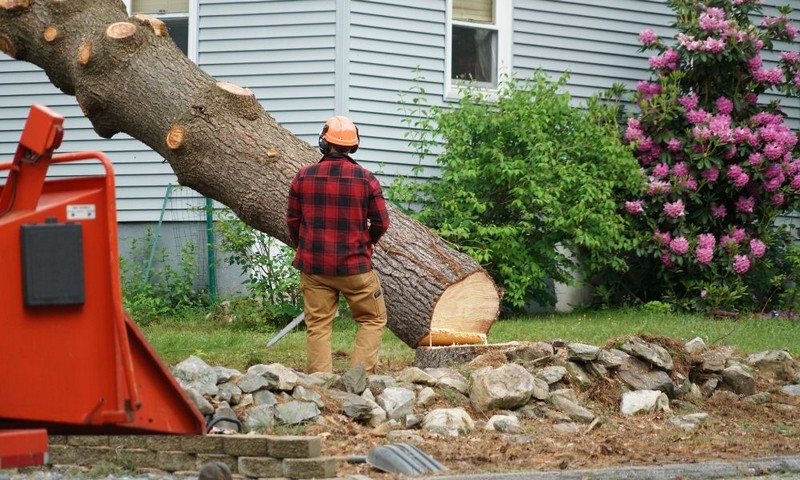
There is a point where pruning stops being maintenance and becomes a way of postponing a decision. A tree with a split trunk, a hollow base or a root plate that has lifted is not improved by taking weight out of the crown; it is a tree whose failure has already started, and the work is to bring it down in a controlled way rather than wait for the wind to choose the direction.
The second case is space, and it is the one that is hardest to argue with. A tree planted twenty feet from a house in 1975 is now a tree whose canopy covers the roof and whose roots are under the slab. Pruning buys years. It does not buy decades, and a homeowner who is told otherwise ends up paying for the same conversation twice.
The third case is the tree that is already dead or dying. Clemson’s Home and Garden Information Center describes Hypoxylon canker as a stress-related fungal disease that attacks weakened oaks including water oak and southern red oak, and names drought stress as the most significant factor in infection. A tree with a thinning crown, dead scaffold limbs and bark sloughing at the base is a removal candidate, not a pruning candidate.
What the removal covers, and what it leaves
The tree, the stump below grade, and the debris in the same pass. The lawn, the fence and the neighbours’ side of the line are left as they were found.
Why it matters that the removal happens this season
The tree that fails in a storm is usually the one that had already started. The National Weather Service recorded gusts of 60 to 70 mph in Richland County during Hurricane Helene in September 2024, with many trees and power lines down, some roads closed, sections of the county without power, a few structures damaged by falling trees, 18 homes destroyed and 232 others damaged. Those gusts are not exotic in the Midlands; a summer thunderstorm cell can carry the same wind for ten minutes.
A removal scheduled in calm weather is a planned job: the drop zone is set, the utility is called if a line is in the way, the pieces are lowered rather than dropped, and the stump is ground in the same visit. A removal that happens because a tree has landed on a house is the same work with a worse starting position, a damaged structure under it and a property owner who has already lost a night.
The season matters for the ground as well. Midlands clay carries a machine well when it is dry and badly when it is wet, and a removal that leaves ruts in a lawn takes more work to put right than the removal itself. Late winter and dry spells are the easy window; the middle of a wet spring is not.
Root plate
What the base is doing decides the method more than the size of the tree does, and a base that has lifted changes the plan before the first cut.
Species
Water oak, loblolly pine and sweetgum all behave differently on the way down, and a dead pine is the one that catches crews out.
Access
Where a machine or a rigging line can work decides the sequence, and it is settled before anything is cut.
Our Tree Removal Process from
Inspection to Cleanup
A structured process reduces risk and keeps tree removal predictable. Our tree removal service Columbia SC follows a step-by-step approach designed for residential and commercial properties.
Look at the base
Root plate, cracks and soil movement, before the crown is even discussed.
Set the drop zone
Wider than the tree, marked and kept clear for the whole job.
Call the utility
Before anything moves, if a service drop is in the work zone.
Take it down
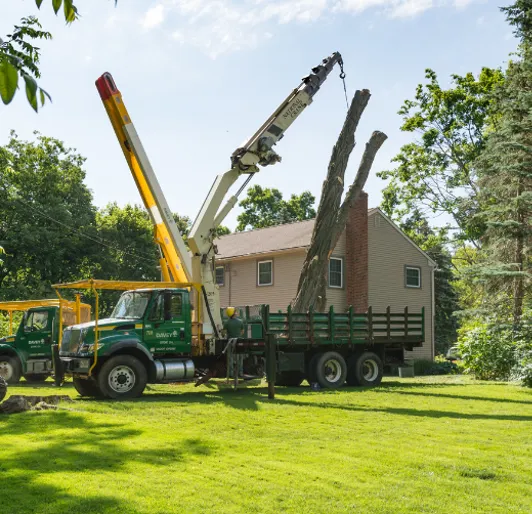
In sections from the top, rigged and lowered rather than dropped.
What backs the work, and what we will not claim
Trees on a Midlands lot carry more load than they look like they do. The work starts with what the trunk is standing on.
Fallen Tree Removal Columbia works from 1205 Mason Rd and removes trees across Columbia and the towns around it. We are not going to tell you the crew holds a credential or a registration number we cannot show you, and we are not going to give a figure for a tree nobody has looked at. What we will do is look at the tree, the access and what is underneath it, and put the scope in writing before anything is cut.
The permit question, before the saw
Inside the City of Columbia, the landscape and tree ordinance requires a tree removal permit for removals on private property other than single-family residential lots, and the permit carries no fee. Work inside the drip line of a public right-of-way or city-owned property needs a forestry permit instead. Grand trees, which the ordinance defines by trunk diameter, need city permission before removal and replacement when the city approves it. The permit is checked before a crew is booked, because a stop-work order with a tree half down is the worst possible outcome. On a lot where a replacement tree is required, the planting site is chosen while the removal is still a plan rather than an afterthought. The replacement tree also has to survive, which means the right species in the right spot rather than the first one available.
Why the root plate decides the method
A tree with a sound root plate can often be taken down in sections from the top, with the pieces rigged and lowered. A tree whose root plate has lifted is a different problem: the whole stem may move when weight comes off the top, and the plan has to account for a tree that is already partly failed. That is why the base is examined before the crown, and why the method is chosen from what the ground is doing rather than from the size of the tree. A crowned-out base on wet clay is the condition that turns a routine removal into a slow one. The base is also why the work is scheduled in daylight, with the access closed, rather than squeezed into the end of a day.
What species change about the job
A water oak is heavy, wide-crowned and often hollow at the base on a Midlands lot. A loblolly pine is tall, straight and brittle when it is dead, and it drops limbs without warning. A sweetgum is dense and resists a clean section take-down. The species decides the rigging, the size of the pieces and how much of the work happens from the ground, which is why the walk starts with what the tree is. Two trees of the same height can be two different jobs for that reason alone, and a walk that starts with the species saves an hour of guessing on the morning of the job. A dead pine is the one that catches crews out, because the wood that looks solid at the base can shatter a third of the way up.
What happens to the stump and the wood
The stump is ground below grade as part of the removal, and the wood and brush leave in the same pass. Where the client wants firewood, trunk sections can be cut and stacked instead of hauled. Richland County’s curbside limits, four feet long and four inches across, about two carts a week, are far below what a mature tree produces, so the material is planned into loads rather than stacked at the curb. A removal that leaves a pile at the roadside has not finished, and the difference between a finished job and a nearly finished one is usually one more load. Where the stump sits in a lawn, the hole is backfilled and levelled so the mower does not find it the following week.
Need Tree Removal Today?
Contact us to create a custom tree care plan that will ensure your trees stay healthy, safe, and beautiful for years to come.
The scenario that catches homeowners: the tree that has already moved
The call that needs a decision today usually starts with a lean that changed. The tree was always a little off vertical, and now the soil at the base is proud on one side, or a crack has opened at the union, or the canopy has shifted relative to the trunk. Nothing has fallen, and that is exactly why it is easy to leave for another month.
A moved tree is treated as a removal until it is proven otherwise, and the proof is a look at the base rather than a feeling about the canopy. The assessment looks at the root plate, the soil on the tension side, the union and the crown. If the root plate has lifted, the tree is scheduled with the access closed and the utility called, and the work starts from the top with every piece lowered. If the movement is old and the base is sound, the tree may be reduced instead, which keeps it and takes the load off the side that is carrying it.
The second version of this call comes after a storm has already taken part of the tree. A split trunk with one half still standing is the most dangerous shape on a residential lot, because the remaining half is carrying a load it was never designed to carry. That is a removal, and it is a removal that starts at the top and works down, with nothing standing underneath and nothing left to chance in the crown.
The third is the tree on a property being sold, where a note from an inspector turns into a negotiation and the removal becomes a job nobody planned for. Doing it before the listing turns a contingency into a known quantity, and the disposal record answers the first question a buyer asks. It also removes the one finding on an inspection report that a seller cannot fix quickly once the closing date is set.
The third is the tree on a property being sold. An inspector’s note about a leaning tree or a hollow base turns into a negotiation, and a removal done before the listing is a known quantity rather than a contingency. The scope and the disposal record are what make it one.
Storm-damaged trees
A split trunk with one half standing is the most dangerous shape on a residential lot, because the remaining half carries a load it was never designed for.
Trees too close to a structure
Pruning buys years; it does not buy decades. When the canopy is over the roof and the roots are under the slab, the decision is a removal.
Trees with a hollow base
A hollow at the base is a removal candidate, not a pruning candidate, however full the crown still looks from the street.
Next step
Call 803 866-3855 with the address, what the tree is doing and whether anything is touching a line or a structure. We will look at the base, the access and what is underneath, check what the city requires, and put the scope in writing before the work is scheduled.
Tree Removal Service FAQs
Does insurance cover a tree that falls on the house?
South Carolina Farm Bureau’s guidance is that damage caused by a tree falling on covered property is typically covered by the homeowners policy, with debris removal usually covered up to a specified limit that depends on the policy. Photograph the tree before anything is cut and confirm the details with your insurer.
What if the tree is on a property line?
A tree on a boundary is a conversation with the neighbour before it is a job for a crew. The work is planned so nothing lands on the other side of the line, the access is agreed in advance, and the scope records what was decided. Under South Carolina practice, a healthy tree that falls across a line is usually the responsibility of whoever owns the ground it lands on, which is another reason to deal with a leaning tree before it decides for you.
Can the wood be left for firewood?
Yes. Trunk sections can be cut to length and stacked where the client wants them, and the brush still leaves. The scope says which parts stay and which go before the work starts.
Do I need a permit to remove a tree in Columbia?
Often yes. The City of Columbia requires a tree removal permit for removals on private property other than single-family residential lots, and the permit carries no fee. Work inside the drip line of a public right-of-way or city-owned property needs a forestry permit. Grand trees need city permission and replacement when removal is approved.
How do you decide whether a tree can be saved?
By looking at the damage, not the size. Clemson’s guidance is that the extent and type of damage determines whether a tree will live. One broken scaffold limb on a sound tree is usually a prune. A split trunk, a lifted root plate or more than half the crown gone is a removal.
What happens to the stump?
It is ground below grade as part of the removal, so a mower can pass over the spot and the ground can be planted. The grindings are hauled or piled clear, and the hole is brought back to grade.
Will the work damage the lawn or the driveway?
It can if it is not planned. Mats are used where a machine crosses a finished surface, the drop zone is set to keep pieces off the lawn where possible, and the ground is raked at the end. Wet conditions are the main risk, which is why the timing is discussed before the date is booked.