Tree Pruning in Columbia, SC
A water oak that has never been pruned does not fail all at once. It drops a limb in a wind, then another, and by the time a homeowner notices, the tree has a hollow side, a lopsided crown and a dead scaffold over the driveway. Pruning is the work that keeps a Midlands tree from reaching that point, and the difference between a good prune and a bad one is decided by what is cut, not by how much.
What a prune covers
Why property owners prune instead of waiting for a limb to fall
A prune is a decision about the future shape of a tree. Cut the wrong limb and the tree grows back denser and weaker at the cut; cut the right one and the tree closes the wound and puts its growth where it can carry load. That is why the work is done by looking up and thinking about the next ten years, not by cutting everything within reach of a ladder.
The second reason is clearance. A limb over a building, a driveway or a service drop is a maintenance item that becomes a repair the first time it comes down with the wind behind it. Clearing it while the tree is healthy is a pruning job. Clearing it after it has torn the edge off a roof is a repair plus a pruning job.
The third is the tree’s own health. Clemson’s Home and Garden Information Center notes that drought stress is the most significant factor in Hypoxylon canker, a stress-related fungal disease that attacks weakened oaks including water oak and southern red oak. A tree carrying dead wood and a crowded crown is a tree under stress, and removing the dead wood is one of the few things that helps without adding water or fertilizer.
Richland County
1205 Mason Rd, Columbia SC
WHAT A PRUNE IS FOR
Cut for the tree, not for the line
A prune decides how the tree carries load for the next decade. That is why the cuts are planned from the ground, with the whole crown in view.
Dead wood
The limbs that carry decay and fail first in a wind.
Weak unions
Codominant stems and included bark, where a tree splits.
Clearance
Limbs over a roof, a driveway or a service drop.
Local crew
Working from Mason Road in the north of Columbia
TRUSTED TREE SERVICE EXPERTS
Why Choose Our Tree Services
Our goal is to provide dependable tree care solutions that help property owners maintain safe and attractive outdoor spaces throughout the year
Experienced Professionals
Our trained and experienced team handles every tree project carefully while following professional safety standards and best practices.
Safe Work Practices
Safety is our top priority during every project, helping protect your property, nearby structures, and surrounding landscape areas.
Timely Service
We complete projects efficiently and on schedule while maintaining high-quality workmanship and attention to detail.
Customized Solutions
Every property receives a personalized approach based on tree condition, property size, and service requirements.
PRUNING IN THE MIDLANDS
What a prune covers, and what it leaves alone
Dead wood, weak unions and clearance are the work. Healthy lower limbs and more than a quarter of the live crown are left alone, because a tree that loses too much at once cannot feed the wounds it has to close.
Tree Pruning Services
- Remove dead and weak branches
- Improve tree structure and growth
- Reduce storm damage risks
- Maintain a healthy appearance
Tree Trimming
- Control overgrown branches
- Improve sunlight and airflow
- Enhance curb appeal
- Keep trees properly shaped
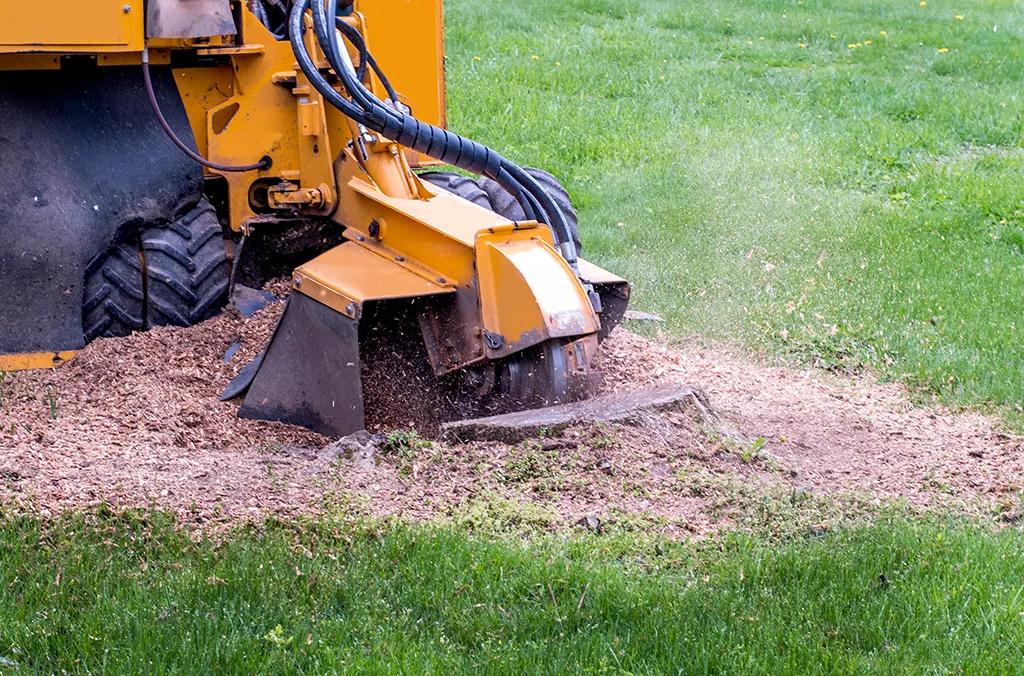
Stump Grinding
- Remove unwanted tree stumps
- Create more usable yard space
- Prevent pest infestations
- Improve landscape appearance
Land Clearing
- Clear brush and overgrowth
- Prepare land for new projects
- Remove small trees and debris
- Improve property accessibility
Debris Removal
- Clean branches and yard waste
- Remove storm debris quickly
- Keep outdoor spaces organized
- Maintain a clean property
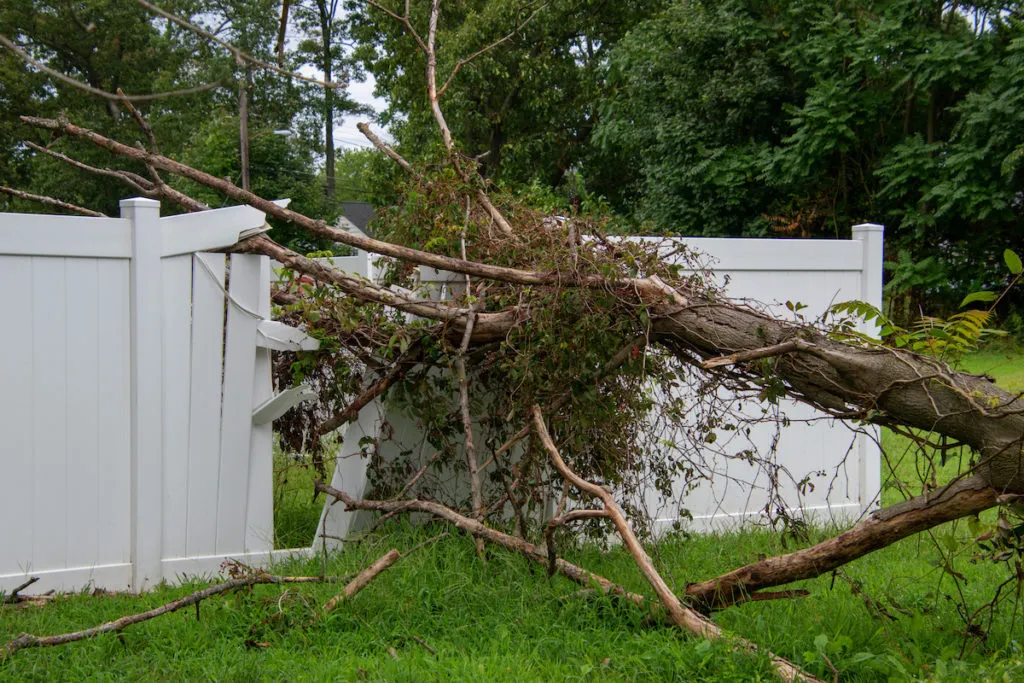
Emergency Tree Service
- Fast response during emergencies
- Remove dangerous fallen trees
- Storm damage cleanup services
- Protect property and safety
What Our Tree Pruning Service Includes
Crown Thinning
Selective pruning removes crowded branches and improves airflow through the canopy.
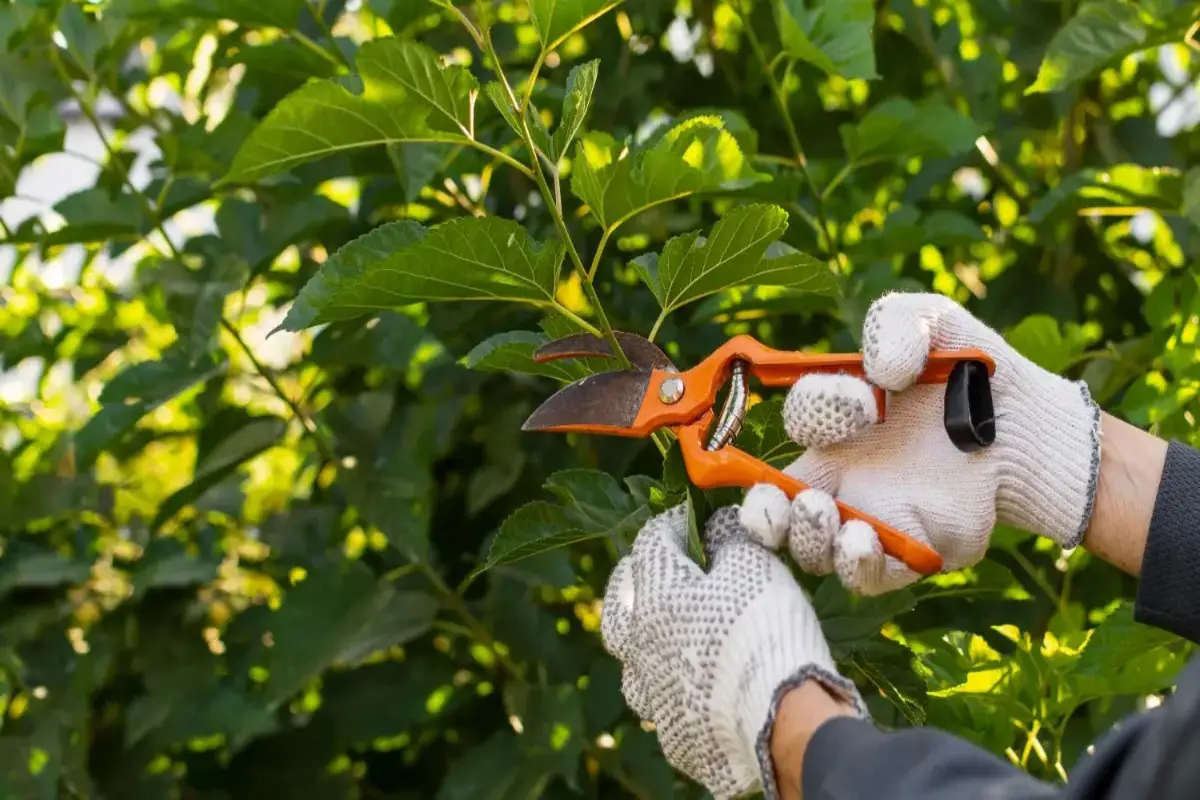
Dead Branch Removal
Dead or damaged limbs are removed to prevent breakage and reduce safety risks.
Structural Pruning
Young and mature trees are pruned to support balanced branch growth and stronger structure.
Clearance Pruning
Branches growing too close to roofs, walkways, or driveways are trimmed back to maintain safe clearance.
Why it matters that the prune happens before the storm season
Most hardwoods in the Midlands can be pruned in late winter with the least risk. The canopy is thin, the structure is visible, the wounds close as growth resumes in spring, and there is no sap running to attract the insects that follow a fresh cut. It is also the easiest time to see which limbs are dead, because there are no leaves to hide them.
Summer pruning is not forbidden, and storm damage is pruned whenever it happens. What changes in summer is what a mistake takes out of the tree: cutting into a full canopy removes food the tree has already built, and a hard prune in a dry July leaves the tree with less to draw on. A light clearance prune in summer is one thing; a heavy crown reduction is another.
The season also lines up with the storm calendar. The National Weather Service recorded gusts of 60 to 70 mph in Richland County during Hurricane Helene in September 2024, with many trees and power lines down, some roads closed, sections of the county without power, a few structures damaged by falling trees, 18 homes destroyed and 232 others damaged. A tree pruned in January carries less sail area into September, and the limbs that would have failed first are already gone.
- Enhance Tree Health & Growth
Proper pruning removes dead, diseased, and weak branches, promoting stronger growth and improving overall tree stability. - Reduce Safety Hazards
Overgrown or damaged limbs can fall during storms. Pruning helps prevent property damage, injury risks, and structural hazards. - Improve Property Appearance
Regular tree pruning enhances tree shape, curb appeal, and property value, keeping residential and commercial landscapes clean and well-maintained.
What the work rests on, and what we will not claim
Our Easy Step for Our Tree Pruning Process
Getting your trees professionally pruned is simple. Here’s our clear and easy process that ensures you get the best results:
Book a visit
Tell us the address and what the tree is doing, and we will arrange a time to look at it.
Tree Inspection
We examine the tree’s structure, branch growth, and potential safety concerns.
Pruning Plan
Our crew determines which branches should be removed to improve health and structure.
Professional Pruning
Branches are pruned using proper cutting techniques and professional tools.
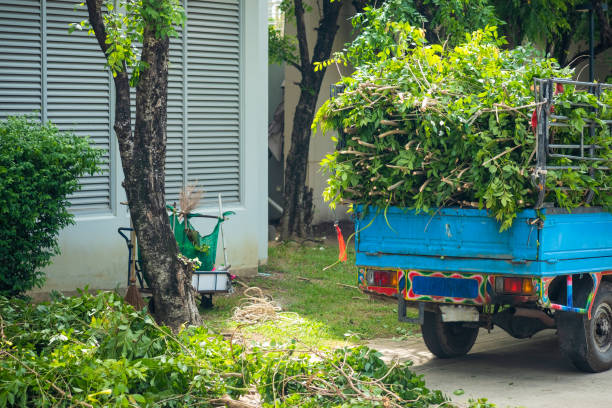
Tree Cleanup
All branches and debris are removed from the property after the work is completed.
Benefits of Professional Tree Pruning
- Stronger Tree Structure: Removing weak or competing branches helps trees develop a stable structure.
- Reduced Safety Risks: Dead or damaged limbs can fall during storms. Pruning helps prevent these hazards.
- Improved Tree Health: Removing diseased or crowded branches supports healthier growth.
- Better Landscape Appearance: Well-pruned trees create a cleaner and more balanced landscape.
- Long-Term Tree Maintenance: Routine pruning helps trees grow properly and reduces the need for major corrective work later.
The scenario that gets missed: the tree over the service drop
Fallen Tree Removal Columbia works from 1205 Mason Rd and prunes trees across Columbia and the towns around it. We are not going to tell you the crew holds a credential or a registration number we cannot show you, and we are not going to describe a prune in a way that makes every cut sound necessary. What we will do is look at the tree, explain what is dead, what is structural and what can stay, and put the scope in writing before the saws come out.
What a structural prune actually removes
A structural prune removes the limbs that are competing with the leader, the ones with a weak union, and the dead wood that cannot be recovered. It does not remove healthy lower limbs for the look of it, and it does not take more than a quarter of the live crown in one visit. Those limits are not a style preference; they are what keeps the tree able to feed itself and close its wounds. A prune that ignores them produces a tree that looks tidy in the photograph and is thinner, more stressed and more likely to send up weak regrowth by the following summer. The live crown is the tree’s food factory, and a prune that takes too much of it in one visit is a prune that starves the tree.
Why a flush cut is the wrong cut
A flush cut takes the branch back to the trunk and removes the branch collar, which is the tissue the tree uses to seal the wound. The result is a wound that cannot close, a pocket of decay and, years later, a hollow where a limb used to be. The correct cut leaves the collar and the branch bark ridge intact, which is why the work is slower than it looks and why the cuts are visible years later. On a mature oak, the difference between a flush cut and a proper one is the difference between a tree that lasts another thirty years and one that loses a scaffold in the next big wind. The collar is a small feature and it is the whole difference between a wound that seals and one that stays open for a decade.
What the city protects, and what it does not
Inside the City of Columbia, the landscape and tree ordinance requires a tree removal permit for removals on private property other than single-family residential lots, and a forestry permit for any work inside the drip line of a public right-of-way or city-owned property. Grand trees, defined by trunk diameter in the ordinance, need city permission before removal and replacement when the city approves it. Pruning a private tree on a residential lot is not a removal, but work over a right-of-way is a different conversation, and the city’s Forestry and Beautification Division is the office that maintains the trees it owns along the street. A street tree in front of a house is not the homeowner’s to cut, and that surprises people every spring.
Why the dead wood matters more than the shape
A dead limb is a hazard with a clock on it. It is also the part of a prune that does the most for the tree, because dead wood is where decay and insects start and where a wind load finds its weakest point. Homeowners often ask for the crown to be shaped; the honest answer is that removing the dead wood and the weak unions does more for the tree and for the property than any amount of shaping. Shape follows structure, and a tree pruned for structure looks better in a year than one trimmed for the outline. A tree with a clean crown also drops fewer twigs onto the roof line, which is a small thing that shows up every month of the year.
What a prune is done with
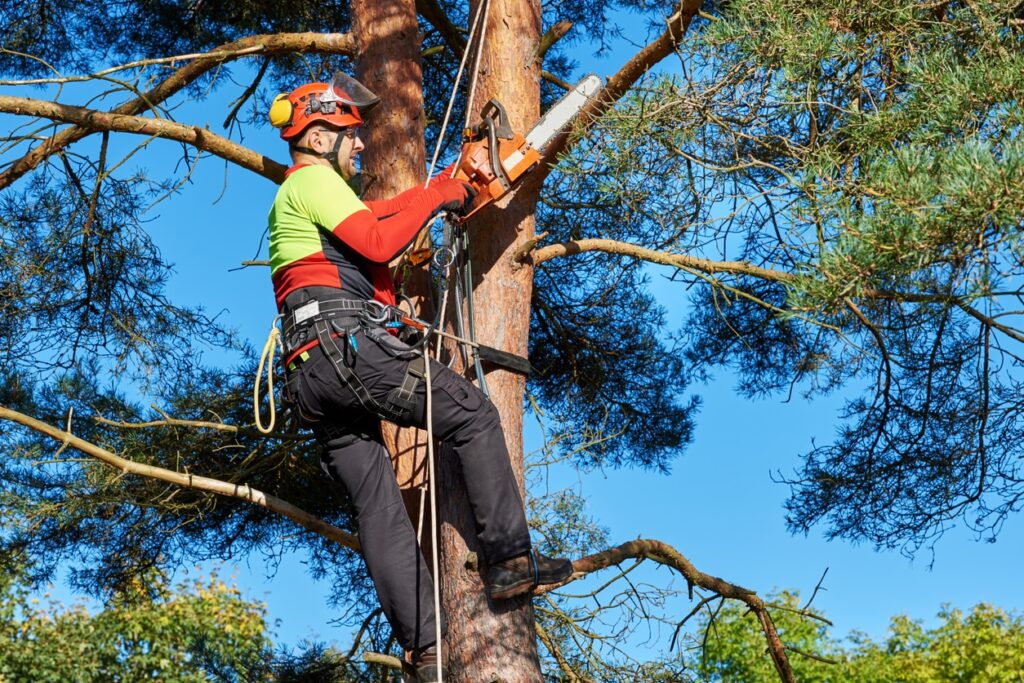
Hand saw and pole saw
Small cuts made cleanly, which is where most of the structural work happens.
Chainsaw
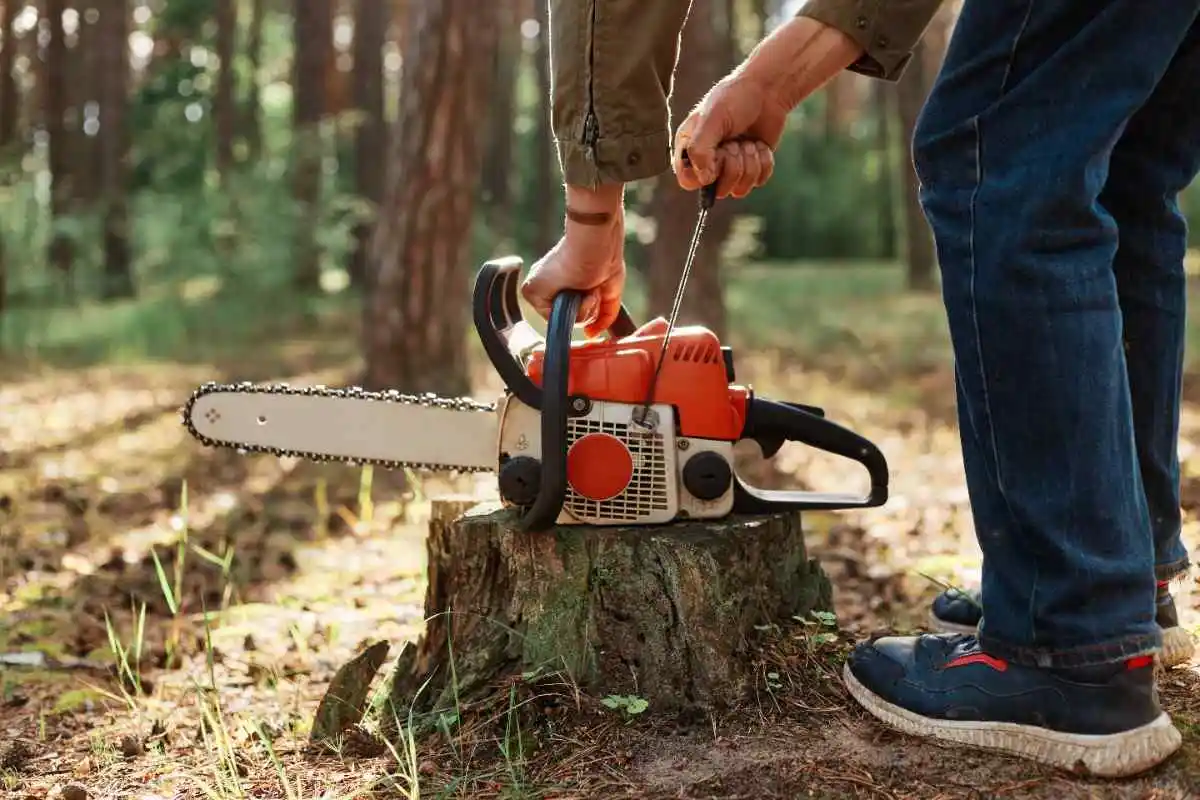
Larger limbs, cut in a controlled sequence rather than dropped.
Rigging rope
Lowers limbs away from a roof, a fence or a line.
Ladder and climbing kit
Access to the crown without damaging the trunk with spikes.
Personal protective equipment
Helmet, eye and hearing protection, worn for the whole job.
Next step for a tree on your property
The call that turns into a repair starts with a limb resting on a service drop. Nothing has failed, the light still works, and the limb has been there since the last storm. Then the insulation wears through, the utility is called, and the tree work becomes part of an electrical repair.
The sequence matters here. The utility is called before anything is cut, because a limb in contact with a drop is a conductor until somebody proves otherwise. Then the limb is removed in sections from the top, with the pieces lowered rather than dropped, so the drop is not shock-loaded on the way down. Only after that is the rest of the crown pruned.
The same sequence applies to a limb over a roof. The temptation is to cut it at the trunk and let it fall clear, which is exactly how the edge of a roof and the siding below it get destroyed. Taking it in sections takes more time and leaves less damage, and the difference is usually visible in the first rain after the work.
A third version of the call is the tree that was topped years ago, usually by somebody who was told it would keep the tree small. It does not; it produces a cluster of fast, weakly attached shoots at the end of every stub. The correction is a series of prunes over several seasons rather than one hard cut, and it is worth saying so before a homeowner asks for the whole crown to be reduced in a single visit.
A fourth is the tree that a previous owner planted too close to the house. The crown has grown over the roof, the roots have grown under the slab, and the choice is between a hard prune that keeps the tree and a removal that solves the problem. Pruning buys years, not decades, and saying that plainly is more useful than pretending otherwise.
A third version of the call is the tree that was topped years ago. The regrowth from a topping cut is attached weakly to the stub, and it grows fast, which means a topped tree carries more weight on weaker unions every year. The correction is a series of prunes over several seasons rather than one hard cut, and it is worth saying so before a homeowner asks for the whole crown to be reduced in a single visit.
Where we prune around Columbia
Pruning runs across Columbia and the towns within about ten miles: Lexington, West Columbia, Cayce, Springdale, Forest Acres, Arcadia Lakes, Irmo, Blythewood, Elgin, Hopkins, Garners Ferry, Eastover, Gaston, Gilbert and Little Mountain.
- Lexington
- West Columbia
- Cayce
- Forest Acres
- Irmo
- Blythewood
Properties across the Midlands carry large shade trees and older growth, and an unpruned crown is what a wind storm loads first. Give the address and we will confirm it is inside the service area.
Tree Pruning FAQs
How often should a tree be pruned?
Most mature hardwoods in the Midlands need a structural prune every three to five years, and a clearance prune over a roof or driveway more often if the limb growth is fast. Young trees are pruned more frequently and more lightly, because the shape set in the first ten years is the shape the tree carries.
What is the difference between pruning and trimming?
Pruning is done for the tree: dead wood, weak unions, structure and clearance. Trimming is usually about shape and size. The two overlap, and the honest version of the work is a prune that happens to improve the look, rather than a trim that removes healthy wood for the sake of a straight line.
When is the right time to prune in Columbia?
Late winter is the right window for most hardwoods: the canopy is thin, the structure is visible, and the wounds close as growth resumes. Storm damage is pruned whenever it happens, and light clearance work can be done in summer without the risk of a heavy cut in a dry month.
Do you remove the branches after pruning?
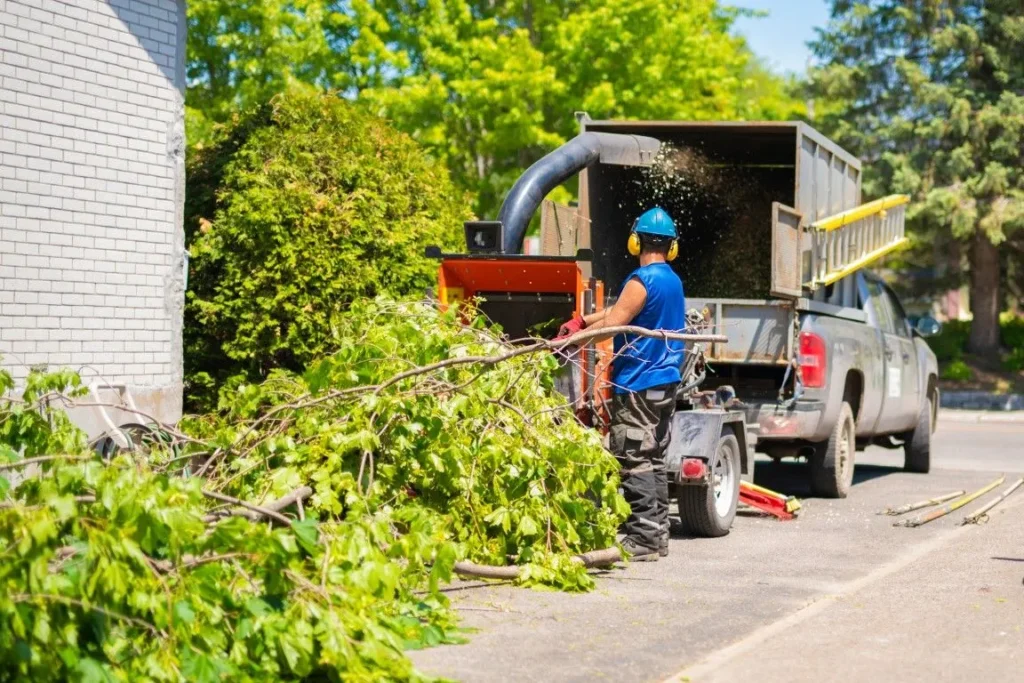
Yes. Brush is chipped on site where access allows and hauled where it does not, and the surface is left clear. Richland County’s curbside limits, four feet long and four inches across, about two carts a week, are far below what a mature tree produces, so the material leaves with the crew.
Can pruning reduce storm damage?
It can reduce the load a tree carries and remove the limbs most likely to fail first, which is what pruning does. It cannot make a tree storm-proof, and anyone who says otherwise is selling something. The realistic goal is a tree with fewer weak unions and less sail area.
Is a permit needed to prune a tree in Columbia?
For a private tree on a single-family residential lot, pruning is not the removal the city’s ordinance covers. Work inside the drip line of a public right-of-way or city-owned property needs a forestry permit, and a grand tree that is being removed rather than pruned needs city permission and replacement.