Professional Tree Removal Services in Chapin, SC
Call us
(803) 866-3855
Hours
Scheduled visits
Booked ahead, not promised at short notice
What the trees in Chapin are doing
Tree Service in Chapin, SC
Chapin packs 606 housing units into 2.12 square miles, and the median house here went up in 2001, which makes the typical lot about twenty-five years old. Twenty-five years is exactly the span in which a trunk left standing at the edge of a new build turns into a tree that overhangs the deck, the service drop and the fence next door. Builders keep the trunks closest to the house because they shade the yard, and shade is the reason the tree stays. The question worth asking now is whether the one you kept is still growing in a direction you can live with.
Homes in Chapin and the trees around them
606 housing units on 2.12 square miles
That works out to roughly 286 homes per square mile, sparse enough that most Chapin properties carry more than one mature trunk and plenty carry a dozen. Density like that changes the arithmetic of a removal. On a tight city lot a crew rigs every piece over a single driveway; here the tree may sit between a shed, a septic field, a wellhead and a screened porch, with a fence marking a line nobody is quite sure about. The smaller the town, the more of the work happens in the space between buildings rather than above them, and the more the plan depends on where the pieces are allowed to land. It also means one fallen pine can block the only way in or out of a short driveway, which is the sort of detail that decides the order of a day’s jobs.
A 2001 median build year, and the trees that survived the grading
The homes here date from around 2001 on the median, so the trees that were protected during construction are the ones now carrying the neighbourhood’s shade. Construction is hard on a root system even when the trunk itself is fenced off. A track loader crossing the drip line compacts the soil until water and air stop moving through it, and fill pushed against a trunk keeps the bark damp until it rots. A tree can absorb that damage for two decades and then decline quickly, which is why a Chapin pine that looked sound when the house sold in 2010 can be the one that sheds a leader in 2026. The visible symptom usually arrives late: a thinner crown, a heavy cone year, or a strip of bark that has started to lift.
The 15.7% of Chapin homes that predate 1960
About one home in six here went up before 1960, and those properties carry a different kind of tree. Farm-era places usually have a pecan or a white oak planted for yard shade, a hedgerow along what used to be a field line, and a windbreak on the side the winter comes from. Such trees are old enough to be hollow in the middle. A hollow trunk is not automatically a removal, but it does change how the tree is climbed and where a cut can be made, because a saw that breaks into a cavity loses the hinge that steers the fall. Those old trees also tend to sit inside a fence line that has moved twice since the house was built, which turns a plain removal into a conversation about gates, access and where the equipment can stand without cutting ruts through the lawn.
458.7 ft, dry ground and the oaks that show it first
At 458.7 ft, Chapin sits on ground that sheds water rather than holding it, and a rise that dries out in July puts the oaks under strain just as the heat peaks. Clemson’s Home and Garden Information Center names drought stress as the most significant factor in Hypoxylon canker, a stress-related fungal disease that attacks weakened oaks, water oak and southern red oak among them. The disease does not announce itself. A tree in the early stage looks thin at the top and pushes small leaves, then a patch of bark dies back and the wood beneath it discolours. Because the fungus follows stress rather than causing it, the tree showing symptoms is usually one that has struggled with its site for years, and cutting the affected limb without addressing the cause only postpones the next symptom.

Talk to us about a tree in Chapin
Tell us the address, what the tree is doing and what has to stay open while the work happens. We will set a time to walk the property and put the scope in writing before anything is scheduled.
Tree work in Chapin
Tree services in Chapin
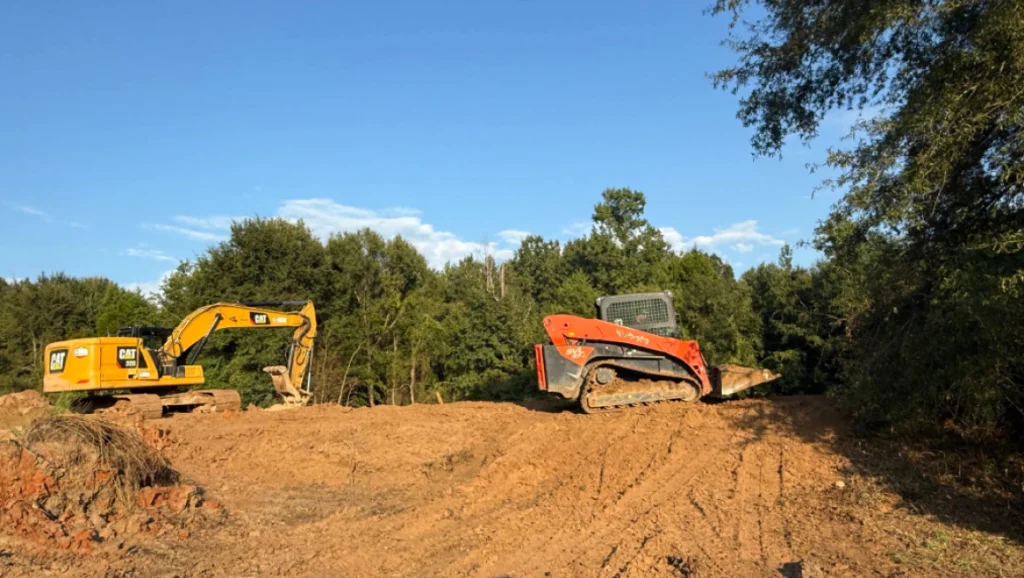
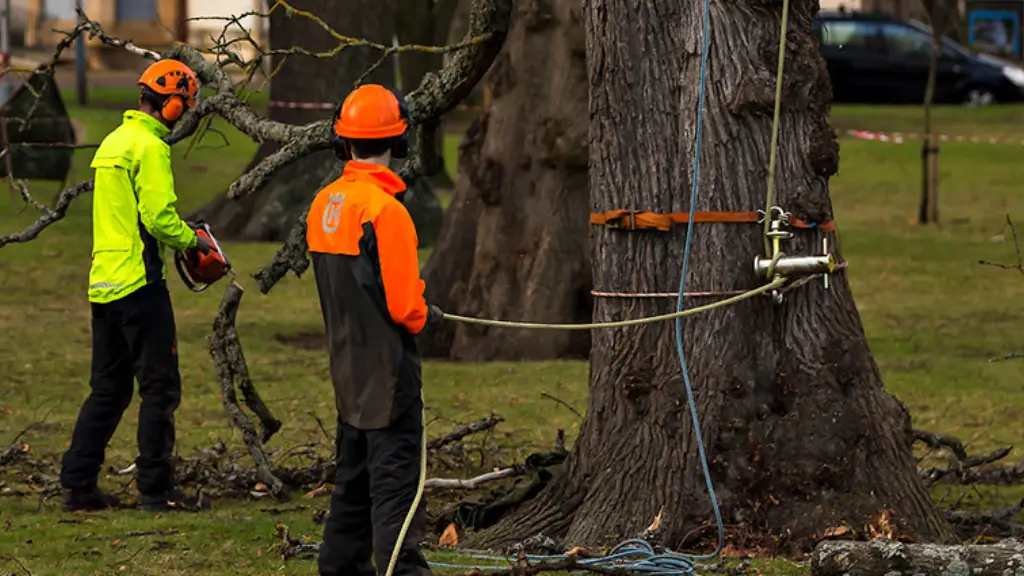
Chapin’s jobs break down into a short list, and the order they are tackled in changes with the tree. Tree removal is the one most calls are about: the trunk is weighed for lean, the drop zone is set wider than the canopy, and the tree comes down in sections lowered on a line rather than felled across a lawn. Stump grinding follows, taking the remainder low enough that a mower passes over the spot and a new planting goes in without a raised ring of old wood in the middle of the yard. The chips can stay on site if you want them for a bed.
Tree pruning is the smaller job with the longer effect. Taking out deadwood and lightening a loaded side before the wind does it usually takes less time than clearing what the wind brings down, and it keeps a shade tree doing the job it was kept for. Land clearing covers the lot being opened up for a build or a paddock, where the question is which stems stay and which go. On a Chapin property that often means deciding whether a hedgerow remains as a screen between two neighbours, which is worth settling before the machine arrives rather than after.
Debris removal is the pass that takes the wood, the chips and the rakings off the property in the same visit, so nothing is left stacked against a fence for a season. Emergency tree service handles the tree already down or still hanging, and the first move there is always to keep people out from under it. Commercial tree services covers rentals, churches, small businesses and property managers holding several addresses.
We work out of 1205 Mason Rd in Columbia, which puts Chapin a straight run up past Irmo, with Lexington a short drive the other way. Both sit on the same schedule.
How a visit runs
- Walk the property and note what is at risk
- Check the base, the crown and the access
- Confirm what the city or county requires
- Put the scope in writing before the work
- Clear the debris and rake at the end
What we will not do
- We will not promise a response time we cannot keep
- We will not claim a credential we cannot show
- We will not give a figure for a tree nobody has seen
- We will not stack debris at the curb and call it cleared
- We will not cut a tree that can be pruned and kept
Why property owners in Chapin work with us
In a town of 606 homes, a truck in the driveway is visible from the road, and the work is watched by people who know the property. That shapes how a job is run here. The scope is written before anything is cut, so the difference between the tree that comes down and the tree that stays is settled in daylight rather than at the base of the trunk with a saw running. The working day runs , and the first call is about the tree, its lean and what sits under it, not a script read down a list. What we will not do is claim a credential we do not hold or a result we cannot control. The tree decides some of that. What can be controlled is the sequence, the drop zone and the state of the ground when the truck leaves.
Fallen Tree Removal Columbia works from Mason Road in Columbia and covers Chapin on the same schedule, so the walk, the scope and the crew come from the same place.
Why it matters now in Chapin
The median house here is twenty-five years old, which means the shade trees planted or spared at build are now at the size where a limb carries real weight, and the 15.7% of homes from before 1960 still hold trees two and three times that age. Both groups are being asked to stand through weather they were not selected for. In September 2024 the National Weather Service recorded maximum gusts of 70 to 80 mph in Lexington County during Hurricane Helene, with many trees and power lines down, some roads closed, sections of the county without power, a few structures damaged by falling trees, areas of flooding, 3 homes destroyed and 41 others damaged. A gust in that range is not exotic for the Midlands; an ordinary summer cell can reach it. Clemson’s storm guidance is that the extent and type of damage decides whether a tree lives, which is why the inspection matters as much as the cutting. A tree with one broken scaffold limb and a sound leader can be pruned and kept. One with a split trunk or a lifted root plate cannot. Chapin’s 2.12 square miles also leaves little room to drag a fallen trunk out of the way, so the work usually happens where the tree lies.
Tree work around Chapin
Frequently
Asked
Questions
How can I tell whether a pine left from the original build is sound?
Look at the base first, not the crown. Check for a raised mound of soil on one side, a crack where the trunk meets the ground, or a seam of bark that has split. Then look up: a top that has thinned while the lower branches stay full usually means the roots are in trouble. Cones clustered heavily on a tree that did not carry them before is another sign of stress. Any of those is worth a look from someone who climbs for a living rather than a guess from the deck.
Chapin is small. Does that change what a visit looks like?
It changes the access more than the work. Longer frontages and space between buildings mean the equipment can often be set up away from the house, but narrow gravel drives, wells, septic fields and fences in unexpected places all have to be walked before the truck is positioned. On 2.12 square miles, one closed lane or a soft shoulder after rain can reroute the whole approach.
Does the 2001 median build year say anything about my trees?
It says the trees on your lot have spent about twenty-five years growing beside a structure, which is long enough for roots to have reached the foundation line and for a trunk to have leaned toward the light. Trees spared during grading often carry root damage from that period that only shows now. Age alone is not a reason to remove one, but it is a reason to have the base and the unions looked at.
What actually happened in Lexington County during Hurricane Helene?
The National Weather Service summary for Lexington County is blunt: gusts of 70 to 80 mph, roads closed by fallen trees and lines, outages across parts of the county, 3 homes destroyed and 41 damaged, with flooding on top. It all landed in one September night in 2024, which is the pattern worth planning around. Most of the county’s tree damage in a given year arrives inside a window like that.
Who is responsible when a tree stands on a property line?
That is a question for the two owners and, if it comes to it, for a lawyer, not for a crew with a saw. What we can do is describe what is on the ground: which side the trunk sits on, which way it leans, and what it would hit. Documenting the condition with photographs before anything moves is the practical step, because a record made in spring is worth more than an argument in autumn.
Why do the oaks here thin out at the top before anything else?
Oaks often show stress from the top down, because the crown is the part furthest from the roots and the first to lose water. Clemson’s guidance links that pattern to drought stress and to Hypoxylon canker on weakened trees. Thinning at the top is a symptom, not a diagnosis, and the difference between a tree that needs a dead limb removed and one that is failing at the base is decided by looking at both ends.
Look at the base first, not the crown. Check for a raised mound of soil on one side, a crack where the trunk meets the ground, or a seam of bark that has split. Then look up: a top that has thinned while the lower branches stay full usually means the roots are in trouble. Cones clustered heavily on a tree that did not carry them before is another sign of stress. Any of those is worth a look from someone who climbs for a living rather than a guess from the deck.
It changes the access more than the work. Longer frontages and space between buildings mean the equipment can often be set up away from the house, but narrow gravel drives, wells, septic fields and fences in unexpected places all have to be walked before the truck is positioned. On 2.12 square miles, one closed lane or a soft shoulder after rain can reroute the whole approach.
It says the trees on your lot have spent about twenty-five years growing beside a structure, which is long enough for roots to have reached the foundation line and for a trunk to have leaned toward the light. Trees spared during grading often carry root damage from that period that only shows now. Age alone is not a reason to remove one, but it is a reason to have the base and the unions looked at.
The National Weather Service summary for Lexington County is blunt: gusts of 70 to 80 mph, roads closed by fallen trees and lines, outages across parts of the county, 3 homes destroyed and 41 damaged, with flooding on top. It all landed in one September night in 2024, which is the pattern worth planning around. Most of the county’s tree damage in a given year arrives inside a window like that.
That is a question for the two owners and, if it comes to it, for a lawyer, not for a crew with a saw. What we can do is describe what is on the ground: which side the trunk sits on, which way it leans, and what it would hit. Documenting the condition with photographs before anything moves is the practical step, because a record made in spring is worth more than an argument in autumn.
Oaks often show stress from the top down, because the crown is the part furthest from the roots and the first to lose water. Clemson’s guidance links that pattern to drought stress and to Hypoxylon canker on weakened trees. Thinning at the top is a symptom, not a diagnosis, and the difference between a tree that needs a dead limb removed and one that is failing at the base is decided by looking at both ends.