Professional Tree Removal Services in Gaston, SC
Call us
(803) 866-3855
Hours
Scheduled visits
Booked ahead, not promised at short notice

What the trees in Gaston are doing
Tree Service in Gaston, SC
Gaston spreads 2,026 people over 5.32 square miles, and a 1989 median build year says most of the housing arrived late, on lots cut out of ground that already carried timber. A little under a third of it, 31.3%, was standing before 1980. What that gives a property is a kept yard at the front and a woodline at the back, and a removal that has to negotiate the boundary between the two rather than the space between houses. The tree that ends up on the ground is often the one nobody was watching.
The homes in Gaston and the trees around them
2,026 people across 5.32 square miles
Two thousand and twenty-six people over 5.32 square miles leaves room between houses, and the lots show it. Frontages run long, drives run deep, and the tree that matters on a property here is more often at the back edge than over the porch. That changes the shape of a job: there is usually space to fell in one direction, and the work becomes a question of which direction is empty. The constraint is rarely the house itself. It is the fence line, the well house, the shed, or the service drop where the drive meets the road. On a lot that has been split in two, the old boundary frequently runs through the middle of a hedge nobody has cut in a decade. That is the advantage of a large lot, and it is also why the first question on any visit is where the truck stops.
A 1989 median beside a fifth of the housing from before 1960
Two housing stocks share this town, and they behave differently. The newer half went up around a 1989 median, on ground cleared in the 1980s and planted afterwards, so its trees are younger and closer to the buildings they were left beside. The older fifth, 20.6% of it predating 1960, sits on land that was farmed or held in larger parcels long before the subdivisions arrived, with trees that were open-grown: wide crowns, low spreading limbs, and no competition to make them reach upward. An open-grown oak carries more weight out sideways than a forest tree of the same trunk, and that weight is what a removal plan has to account for. It shows within the first five minutes of a visit: the two need different rigging, different drop zones and different places to stand. One plan does not fit both.
483.4 ft and wind with a clear run at it
Ground at 483.4 ft is high enough that the wind arrives with less to interrupt it, and a lot with open field on two sides gives a gust a clean approach. That matters more for trees on the edge of a property than for anything in the middle. An edge tree grows toward the light, so its crown sits over the open ground and its trunk leans that way. When a storm comes from the same direction the crown already favours, the load lands on the side where the wood has been worked hardest for years. Walking an edge after a blowdown usually shows which way the grain and the lean were pointing, and the next tree along the same line is the one worth looking at. Wind direction matters as much as wind strength, and it changes with the shape of the ground.
Where a kept yard meets the woodline
The boundary between mown grass and standing timber is where most of the work in Gaston starts, and it is also where ownership gets vague. A trunk on the line belongs to someone, and the limbs hanging over the other side belong to someone else, which is why the first question on a call-out is often whose side the tree is on. Practically, the woodline is also where the debris goes if nobody plans for it: a push pile at the field edge looks tidy for a season and then becomes a mound of half-rotted timber with saplings growing through it. Clearing back from a fence, a shed or a drive is usually the smaller job and the one that holds. A line of trees is not the same job as a single trunk, and a woodline rarely fails all at once.
Talk to us about a tree in Gaston
Tell us the address, what the tree is doing and what has to stay open while the work happens. We will set a time to walk the property and put the scope in writing before anything is scheduled.
Tree work in Gaston
Tree services in Gaston
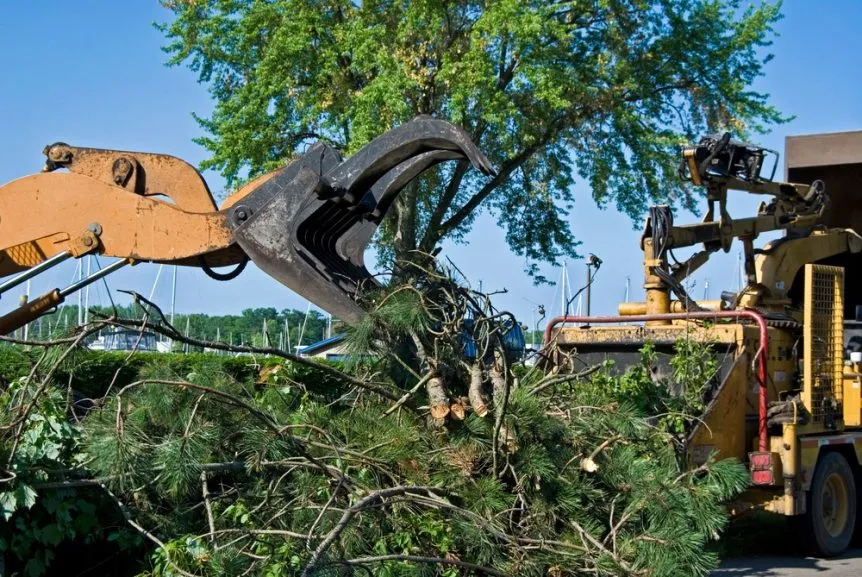
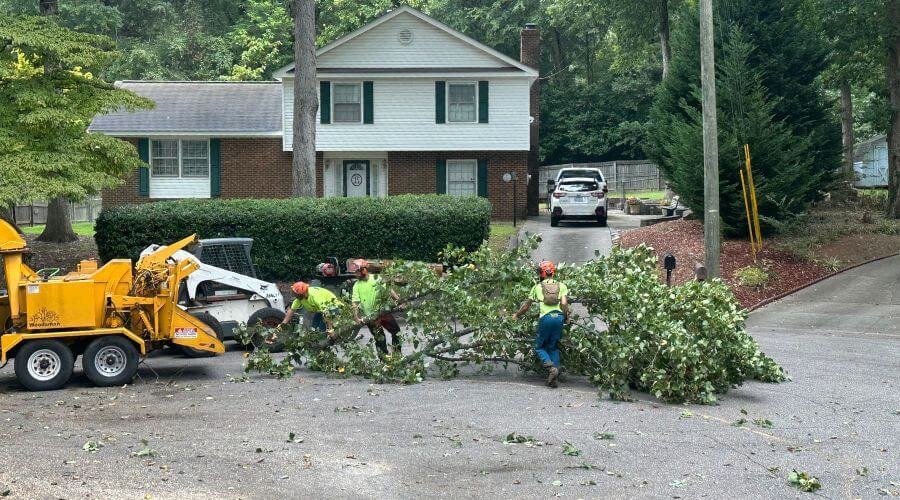
A call here often begins with tree removal on a tree that has been leaning for longer than anyone can say. The open side of a lot makes felling possible in cases where a town block would need rigging, but the direction has to be chosen with the drive, the fence and the drop in mind, and the escape route walked before the back cut goes in.
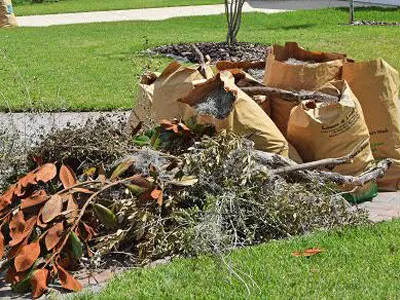
Debris removal matters more on five-acre lots than on small ones, because there is somewhere to put things and therefore a temptation to leave them. Wood left in a heap at the field edge holds moisture, shelters rodents and takes years to break down, and a burn pile near a fence is a decision that gets revisited. Hauling it out is the shorter path.
Tree pruning handles the trees that are staying, particularly the open-grown ones where a long horizontal limb has grown past what the union can hold. Stump grinding takes the stump down so a mower can pass, and land clearing covers the ground being opened for a shed, a paddock or a new build. Emergency tree service handles a trunk already lying across a drive, while commercial tree services looks after the premises fronting the main road.
Drought is worth mentioning in this county, because Clemson’s guidance names it as the most significant factor in oak infection: Hypoxylon canker is a stress-related fungus that takes hold in weakened trees, water oak and southern red oak among them. A cankered tree shows dieback in the crown first, long before anything changes at the base, and dead limbs are what a wind takes. Pruning out affected wood early is the difference between a tree that recovers and a tree that becomes a hazard over a drive.
West Columbia and Cayce are the nearest neighbours to the north-east, with Eastover across the river to the east and Hopkins beyond it.
How a visit runs
- Walk the property and note what is at risk
- Check the base, the crown and the access
- Confirm what the city or county requires
- Put the scope in writing before the work
- Clear the debris and rake at the end
What we will not do
- We will not promise a response time we cannot keep
- We will not claim a credential we cannot show
- We will not give a figure for a tree nobody has seen
- We will not stack debris at the curb and call it cleared
- We will not cut a tree that can be pruned and kept
Why property owners in Gaston work with us
On a five-square-mile town, distance is the thing that shapes a working day, so we ask about access before anything else: where the gate is, how wide the drive runs, whether a truck can turn at the bottom, and which corner of the property the wood has to come out of. The scope is agreed first, in plain terms, and the sections come down in an order that keeps the way out open. Fallen Tree Removal Columbia runs from 1205 Mason Rd in Columbia and keeps hours of daily. No promise is made about a tree nobody has seen. What is offered is a plan for the ground as well as the trunk, because a yard that is churned to mud is its own kind of damage. We say what the ground will look like when the last piece is down, including the ruts, and where the sawdust will end up.
Why it matters now in Gaston
The housing here is a generation younger than the town’s tree cover, and that gap is the whole story. Ground was cleared in the 1980s to build, the trees that were kept grew on, and the trees at the edges kept leaning toward the fields. Thirty-five years of that is enough for a limb to have reached across a drive and for a root system to have been cut on one side by a trench, a fence post or a widened parking area. Hurricane Helene in September 2024 gave Lexington County gusts put at 70 to 80 mph, with many trees and lines down, roads closed, sections without power, flooding, a few structures damaged by falling trees, 3 homes destroyed and 41 damaged. Those numbers are smaller than in some neighbouring counties, and they still describe a storm that put timber through buildings. Add a stretch of dry summers and the oaks that were already stressed are the ones that go first, which is why the useful visit happens before the season turns, while a lean can still be read and a dead limb can still be taken off on a rope. A tree that has been stressed for three summers does not need a record gust to come apart.
Tree work around Gaston
Frequently
Asked
Questions
Does a bigger lot make a removal easier?
Usually, yes, because there is more than one direction to drop into. The trade is distance: a tree at the back of a deep lot is further from the road, so the wood has to be carried or dragged to where it can be loaded, and the route has to stay passable all day. Space also invites the idea that a tree can simply be pushed over, which is how fences and sheds get hit. Direction is chosen, not assumed.
Where does the tree on the property line belong?
That depends on where the trunk sits, not where the limbs hang. A trunk on the boundary is a shared question, and limbs crossing onto a neighbouring yard are a separate one. The practical approach is to settle it with the neighbour before the saws come out, in the same conversation as the drop zone, because a limb that lands on the wrong side of a fence is an argument nobody needs. Ask first and the work stays simple.
How does the 1989 median build year affect the trees here?
It means most of the canopy around the newer houses is roughly thirty-five years old, planted or kept when the lots were cut. Trees that age are past the stage where a stake or a tie matters, and into the stage where a fork has formed and the first heavy limb is reaching. It also means the trees that were left were chosen for what they looked like in 1989, at a fraction of their current size.
What did Hurricane Helene do in Lexington County?
For Lexington County the National Weather Service lists September 2024 gusts put at 70 to 80 mph, with 3 homes destroyed and 41 damaged, trees and lines down in many places, roads closed, outages in sections, flooding, and a few structures struck by falling trees. That is a county-wide figure, not a count for this town, and it still shows the pattern: wind plus old timber plus wet ground. The damage was spread out rather than concentrated in one place.
Why do the oaks at the field edge look worse than the ones in the middle?
They take more wind and they show more of it. An edge tree grows with its crown out over open ground, so it carries weight further from the trunk than a sheltered tree does, and every gust loads that arm. They are also the trees most likely to have been damaged by a mower, a fence line or a trench along the boundary. The lean and the crown tell you which of them has been working against that load the longest.
Can I leave the cut wood at the field edge?
You can, and it will still be there in five years, only softer. A heap of green timber at a field edge holds water, draws insects and prevents anything useful growing under it, and a burn pile close to a fence is a bigger decision than it looks. If the wood is sound and you want it for a fire, it needs stacking off the ground and away from the building. If it is not, hauling it out is the cleaner answer.
Usually, yes, because there is more than one direction to drop into. The trade is distance: a tree at the back of a deep lot is further from the road, so the wood has to be carried or dragged to where it can be loaded, and the route has to stay passable all day. Space also invites the idea that a tree can simply be pushed over, which is how fences and sheds get hit. Direction is chosen, not assumed.
That depends on where the trunk sits, not where the limbs hang. A trunk on the boundary is a shared question, and limbs crossing onto a neighbouring yard are a separate one. The practical approach is to settle it with the neighbour before the saws come out, in the same conversation as the drop zone, because a limb that lands on the wrong side of a fence is an argument nobody needs. Ask first and the work stays simple.
It means most of the canopy around the newer houses is roughly thirty-five years old, planted or kept when the lots were cut. Trees that age are past the stage where a stake or a tie matters, and into the stage where a fork has formed and the first heavy limb is reaching. It also means the trees that were left were chosen for what they looked like in 1989, at a fraction of their current size.
For Lexington County the National Weather Service lists September 2024 gusts put at 70 to 80 mph, with 3 homes destroyed and 41 damaged, trees and lines down in many places, roads closed, outages in sections, flooding, and a few structures struck by falling trees. That is a county-wide figure, not a count for this town, and it still shows the pattern: wind plus old timber plus wet ground. The damage was spread out rather than concentrated in one place.
They take more wind and they show more of it. An edge tree grows with its crown out over open ground, so it carries weight further from the trunk than a sheltered tree does, and every gust loads that arm. They are also the trees most likely to have been damaged by a mower, a fence line or a trench along the boundary. The lean and the crown tell you which of them has been working against that load the longest.
You can, and it will still be there in five years, only softer. A heap of green timber at a field edge holds water, draws insects and prevents anything useful growing under it, and a burn pile close to a fence is a bigger decision than it looks. If the wood is sound and you want it for a fire, it needs stacking off the ground and away from the building. If it is not, hauling it out is the cleaner answer.