
Land Clearing in Columbia, SC
An unmanaged acre in the Midlands does not stay open. One season of neglect and the volunteer pines are chest high, the sweetgum is waist high, the privet has closed over the fence line and the vines have started on the shed. Land clearing is the job of getting that acre back to a surface somebody can use, and it is measured in what is left standing as much as in what comes down.
Why property owners clear a lot rather than mow it again
Mowing cuts what is above the ground. Clearing takes the plant and the reason it came back. On a lot that has been left alone for a few years, the growth is a mix of three things that need three different answers: saplings that can be cut and chipped, vines that regrow from any fragment left in the soil, and volunteer pines that have a taproot worth taking out rather than cutting flush.
The second difference is what is underneath. A cleared lot is usually about to become something: a house pad, a driveway, a pasture, a garden, a fence line. That future use decides how deep the stumps go and how much of the root mass has to leave, which is why clearing is planned around the next use rather than around the size of the machine.
The third is disposal. Brush from an acre is a volume problem, and the material has to go somewhere legal. Richland County’s curbside programme takes sticks and small limbs up to four feet long and four inches across, about two roll carts or six 30-gallon bags a week. That is a garden’s worth, not an acre’s worth, so a clearing job plans its loads before the first tree comes down.
Richland County
1205 Mason Rd, Columbia SC
WHAT A CLEARED LOT LOOKS LIKE
Cut, pulled and hauled, in that order
Clearing is planned around what the ground will be used for next, because that decides how deep the stumps go and how much of the root mass leaves.
Cut
Saplings, brush and volunteer growth, chipped where access allows.
Pull
The stumps and root masses the next use needs out of the ground.
Haul
Loads planned before the first cut, because an acre of brush is a volume problem.
Local crew
Working from Mason Road in the north of Columbia
HOW A CLEARING JOB RUNS
why the walk comes before the machine
The lot decides the machine, the sequence and the loads. A walk is the only way to know which of the three is the constraint.
Marked trees
What stays is marked before anything comes down.
Access
Where a machine can enter without crossing a finished surface.
Grade
Water leaves the lot where it did before, or better.
Loads
Brush, wood and stumps planned to their own destinations.
CLEARING IN THE MIDLANDS
What clearing covers, and what it does not
Brush, volunteer growth, saplings and unwanted trees are the normal job. Soil, rock and demolition material are separate, and a lot that needs a state permit for disturbed area is checked before anything starts.
Brush and saplings
- Volunteer pine and sweetgum
- Privet and vines
- Hedge and fence lines
- Chipped where access allows
Small trees
- Unwanted stems
- Trees inside a future pad
- Leaning or damaged trees
- Marked before the machine starts
Stumps and roots
- Ground below grade
- Pulled where a slab is going
- Root masses removed
- Holes backfilled
Lot lines
- Fence lines cleared
- Property boundaries walked
- Neighbour side respected
- Debris kept on site
Storm-damaged lots
- Leaning trees first
- Hangers and widow-makers
- Brush cleared after
- Access reopened
Site preparation
- Pad areas cleared
- Driveway lines opened
- Grade left usable
- Surface walkable
What an unmanaged lot grows
What the clearing includes
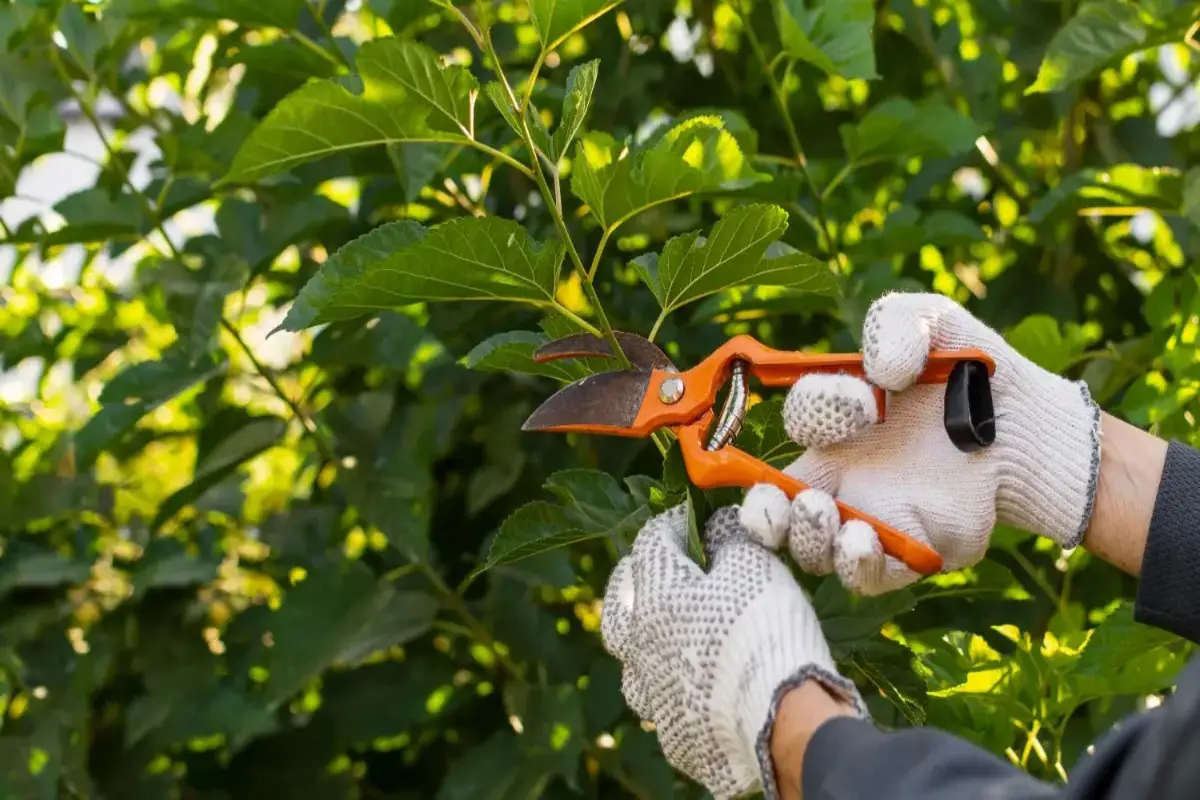
Vegetation management
Brush and unwanted growth removed so the lot can be used again.
Site preparation
The ground prepared for the next use, with the grade left where water can leave.
Lot clearing
Overgrown lots cleared back to a walkable surface, with the stumps the use requires taken out.
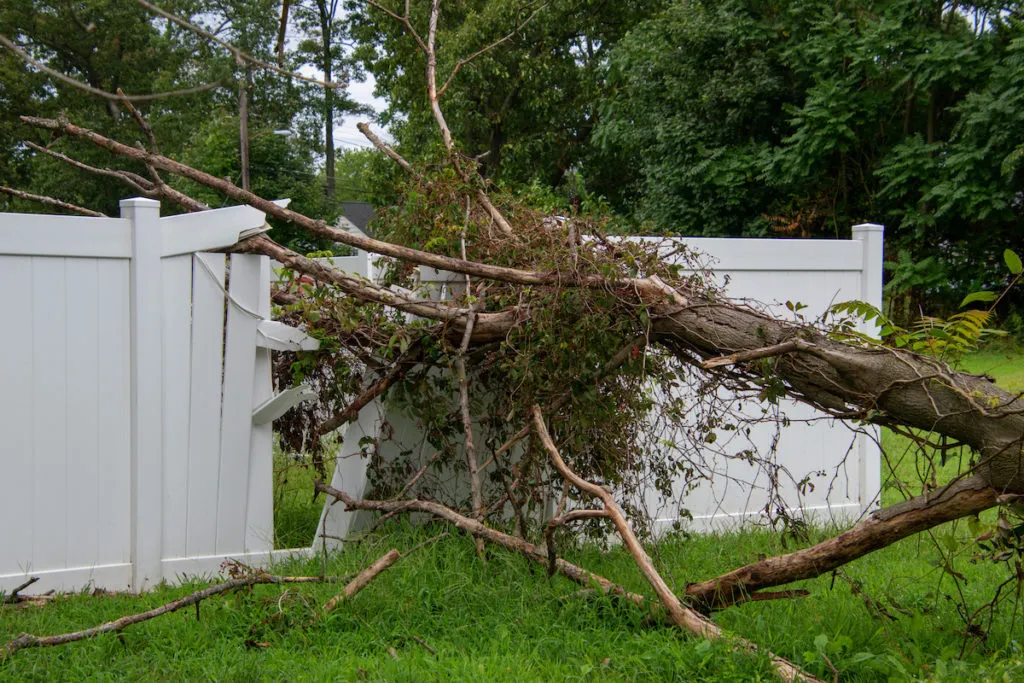
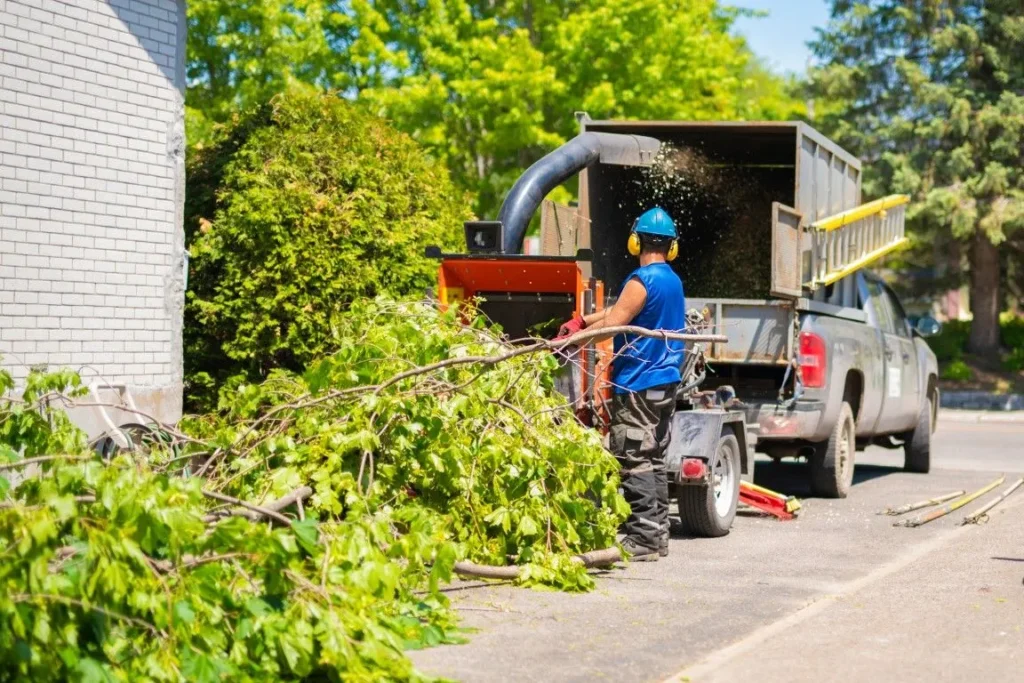
Tree and brush removal
Trees, shrubs and thick vegetation removed in a sequence that keeps the machine off finished surfaces.
Why it matters that the lot is cleared before the spring flush
Growth in the Midlands does not pause. A lot cleared in late winter stays clear through the spring flush because there is nothing left to flush. A lot cleared in June is a race against regrowth from the root stock, and the vines come back from fragments that were cut rather than removed.
The soil is the other half of the timing. Midlands clay holds water and then dries hard, and a machine working wet ground makes ruts that have to be repaired before anything is built. Working a lot when it is dry enough to carry a machine is faster and leaves a better surface, and it is the reason a clearing schedule is set by the weather rather than by the calendar.
Storm damage changes the order of work as well. The National Weather Service recorded gusts of 60 to 70 mph in Richland County during Hurricane Helene in September 2024, with many trees and power lines down, some roads closed, sections of the county without power, a few structures damaged by falling trees, 18 homes destroyed and 232 others damaged. After a wind like that, an unmanaged lot is not just overgrown; it has leaning trees in it, and those come out before the brush does.
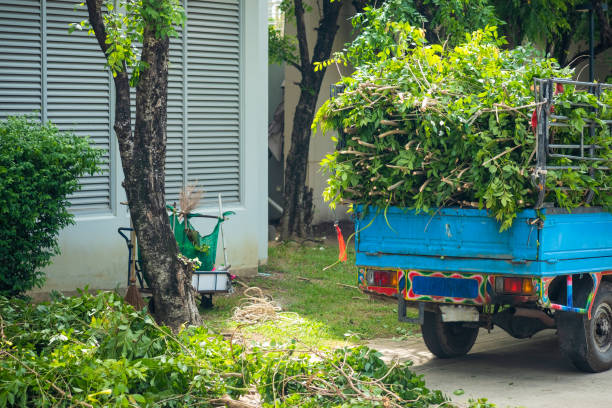
What a cleared lot changes
- Use: an acre of brush is an acre nobody can build on, fence or plant.
- Safety: leaning trees on an unmanaged lot are the first thing a wind storm finds.
- Drainage: clearing without a plan leaves the low corner lower.
- Delay: growth that is cut and not removed comes back from the root.
- Records: a written scope is what the next contractor works against.
What backs the work, and what we will not claim
Fallen Tree Removal Columbia works from 1205 Mason Rd and clears lots across Columbia and the towns around it. We are not going to tell you the crew holds a credential or a registration number we cannot show you, and we are not going to give a figure for an acre nobody has walked. What we will do is walk the lot, separate what can be cut from what has to be pulled, and put the scope in writing before a machine is booked.
Clay soil and what it does to a cleared lot
Midlands clay drains slowly, and a lot cleared without any thought to grade turns into a shallow bowl. Water stands where the machines tracked, the bare soil washes into the low corner, and the first heavy rain leaves ruts that were not there before. Clearing a lot properly means leaving the drainage the way it was, or improving it, rather than flattening everything and hoping. On a lot with a slope toward a road, that difference is the whole job: the water has to leave the property where it always left it, and the bare ground has to be stabilised before the next storm arrives. A lot that holds water also holds a machine, and a machine stuck in clay is a day lost in the schedule before any clearing has happened.
Volunteer growth and why it comes back
Volunteer pine, sweetgum, privet and the vines that follow them are what an unmanaged Midlands lot grows. Cutting the top does not remove the root, and privet and vines in particular regrow from fragments. Clearing that stops at the soil surface buys a season at most. Taking the root mass out where the future use needs it is what stops the same job being repeated. A lot cleared to the surface and left will be the same lot in two years, which is why the scope says what happens below the ground and not only what happens above it. The quickest way to tell whether a lot was cleared properly is to look at it in the second spring, not the first.
What the county and the city expect before dirt moves
Land disturbance is regulated, and the rules depend on where the lot sits. Inside the City of Columbia, the landscape and tree ordinance requires a tree removal permit for removals on private property other than single-family residential lots, and a forestry permit for work inside the drip line of a public right-of-way or city-owned property. Grand trees, which the ordinance defines by trunk diameter, need city permission and replacement when removal is approved. Outside the city, the county’s rules and any state permit for larger disturbed areas apply. The permit question is settled before a machine arrives, not after, and the answer is written into the scope so nobody has to rely on memory on the morning the crew shows up. A stop-work order on a clearing job is a bad way to learn a rule that could have been checked in an afternoon.
What a cleared lot is worth when it is done right
A cleared lot with the stumps out, the grade intact and the debris gone is a site somebody can use. A lot with the brush pushed into a pile at the back and the stumps cut flush is a photographed problem that shows up in every later proposal. The difference is not the machine; it is whether the scope said what the ground would be when the crew left. That is also what a buyer, a lender and an insurer look at when the lot changes hands, and it is the part that is expensive to fix after the fact. Clearing is one of the few tree jobs where the finished result is judged by what is missing, not by what was done.
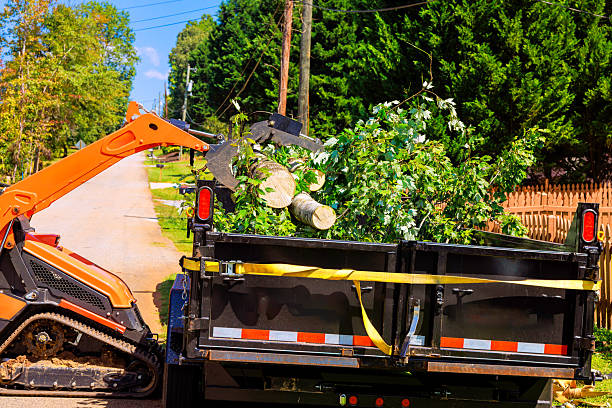
Equipment Used for Land Clearing
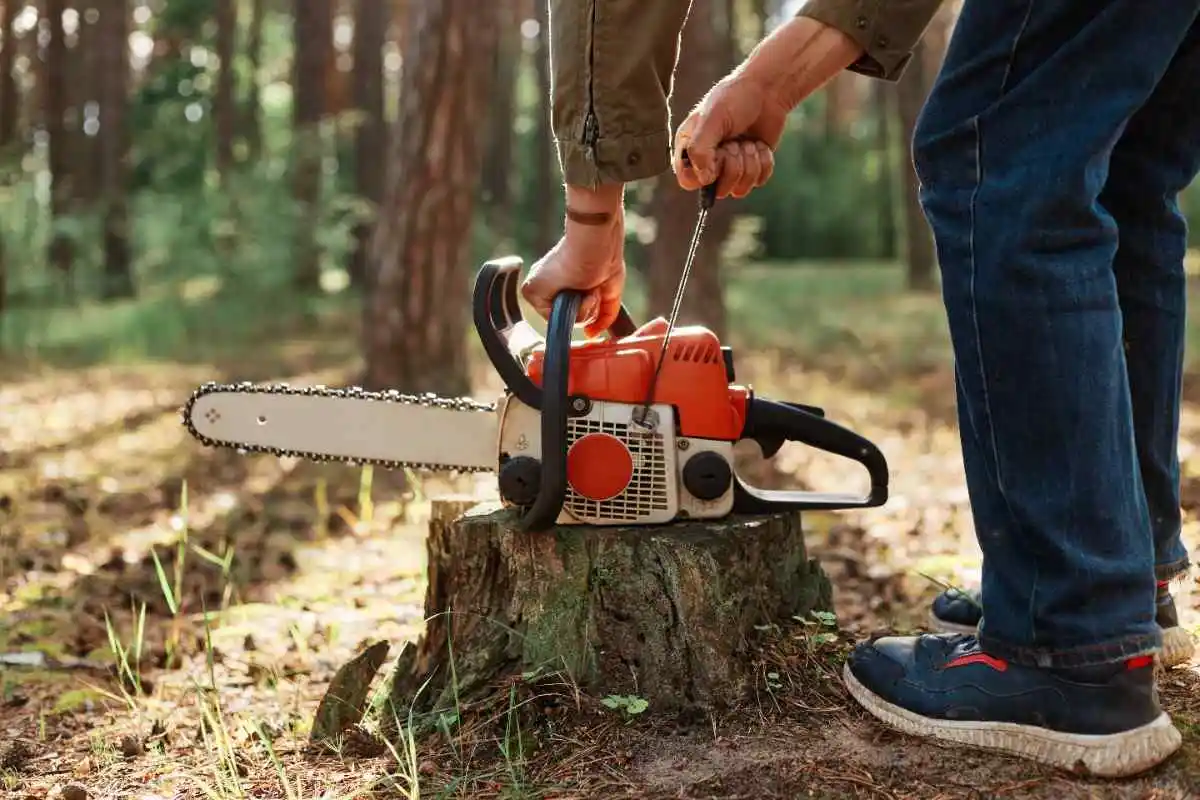
Chainsaws
Cutting stems and limbs to a size that can be handled and chipped.
Chipper
Reduces brush to chips, which cuts the number of loads leaving the lot.
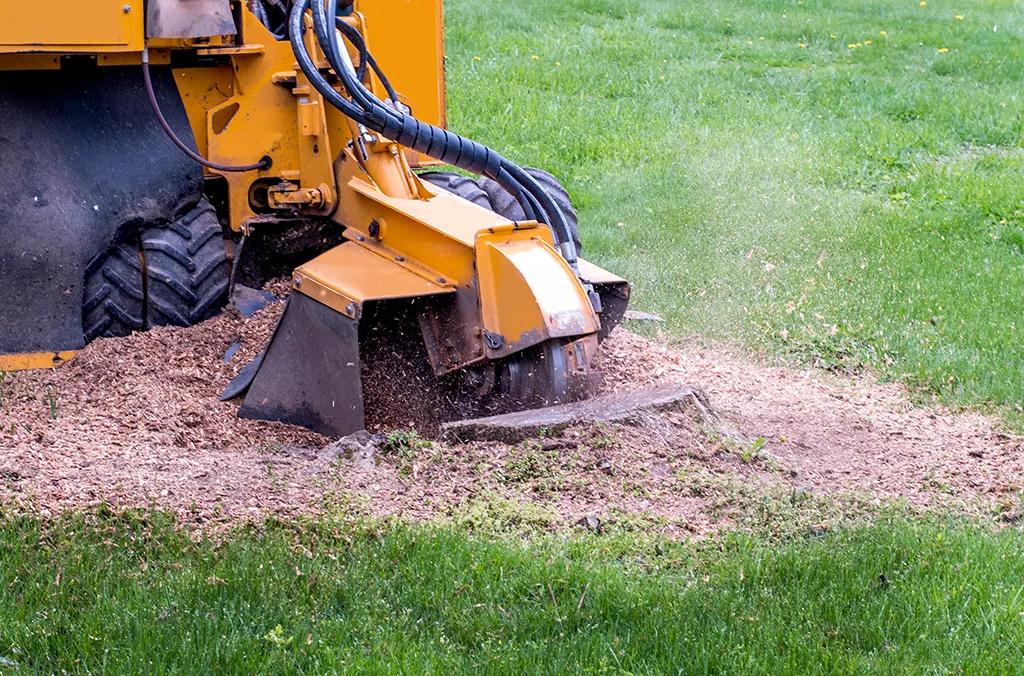
Stump grinder
Takes stumps below grade where the next use is a lawn or a bed.
Skid steer
Moves material across a lot without crossing a finished surface where it can be avoided.
Excavator
Pulls root masses where a pad or a driveway is going.
The scenario that catches a new build: the lot behind the house
Walk what has been built
The house, the driveway and the fence decide the route the machine takes.
Find the rot
Stumps cut flush five years ago are voids now, and they change the plan.
Check the grade
Water that was fine on an empty lot now runs against a building.
Sequence the work
The machine works from the back forward, so nothing finished is crossed twice.
Leave it clear
Brush, wood and stumps gone, and the surface walkable at the end.
The scenario that catches a new build: the lot behind the house
The call that turns into a problem starts with a lot that was cleared five years ago for a house, and then left. The pad is there, the driveway is there, and the back acre has gone back to pine and privet. Now the owner wants a shop, or a garden, or a fence, and the figure from the first clearing is the only number anybody remembers.
The ground tells a different story the second time. The stumps that were cut flush have rotted to the surface, so the machine finds voids instead of wood. The root mass from the privet has spread under what was cleared, so the new edge is not where the old edge was. And the drainage that was fine for an empty lot now runs against a building.
The way through it is the same as the first time, with one addition: the walk includes what has been built since. On a lot with a shop pad already poured, the machine works from the back fence forward so the pad is the last thing it crosses, and the brush is carried out along the line it came in on. The scope says which stumps are rotten, which are sound, where the grade falls, and what the new use needs underneath. Then the work is sequenced so the machine does not cross the finished parts of the property, which on a lot with a house on it is most of the planning.
There is a second version of the call that comes from a lot being sold. The survey is done, the plat is drawn, and the buyer walks to the back corner and finds a wall of privet where the plat says the line runs. Clearing enough for the line to be walked, with the brush stacked where it can be seen and the stumps cut below grade, is a small job that removes a large question from the closing.
A cleared lot also changes what a property is worth to a buyer, and to an insurer, and to the county when the next storm comes through. That is not a sales line; it is the reason a lot that has been maintained takes less work to keep than one that has been left, year after year. The same logic applies to a lot line shared with a neighbour: the brush that is cleared on one side stops being the neighbour’s problem on the other, and a fence that can be walked is a fence that gets repaired before it falls.
Next step
Call 803 866-3855 with the address, roughly how big the lot is and what is growing on it. We will walk it, check what the city or county requires, and put the scope in writing before a machine is booked.
- Lexington
- West Columbia
- Cayce
- Forest Acres
- Irmo
- Blythewood
Properties across the Midlands carry large shade trees and older growth, and the lots that have been left alone are the ones that need a plan rather than a mower. Give the address and we will confirm it is inside the service area.
Land Clearing FAQs
What does land clearing include?
Cutting and removing brush, saplings and unwanted trees, taking out the stumps the next use requires, and hauling the debris. The grade is left as it was or improved, and the scope says which stumps come out and which are ground.
Do I need a permit to clear a lot in Columbia?
Often yes. Inside the city, the landscape and tree ordinance requires a tree removal permit for removals on private property other than single-family residential lots, and a forestry permit for work inside the drip line of a right-of-way or city-owned land. Grand trees need city permission and replacement. Outside the city the county and state rules apply, and larger disturbed areas may need a state permit.
When is the right time of year to clear a lot?
Late winter is the cleanest window in the Midlands, because the growth has not started and the soil is usually workable. Summer clearing is possible but the regrowth starts at once, and wet ground makes ruts that have to be repaired before anything is built.
Can the trees on the lot be kept?
Yes, and it is usually worth it. A clearing plan can leave the mature shade trees and take the volunteer growth around them, which keeps the value of the lot and avoids removing trees that did not need to go. The trees that stay are marked before the machine starts.
What happens to the brush and the stumps?
Brush is chipped where access allows and hauled where it does not. Stumps are ground or pulled depending on the next use of the ground. Richland County’s curbside limits are far too small for a clearing job, so the loads are planned and hauled rather than stacked at the curb.
How long does an acre take to clear?
It depends on the growth, the access and the stumps. A light acre of saplings and brush is a different job from an acre of established pine with root masses to pull, and the walk is what tells the difference. The scope gives the sequence before the work starts.